

When Racing at Daytona Becomes More Professional
Short Answer: While Grand Touring Daytona (GTD) class and Grand Touring Daytona Pro (GTD PRO) class cars which raced at the 2026 Rolex 24 at Daytona are mechanically the same, what separates both classes are the caliber of drivers on their teams and the amount of manufacturer support each team receives
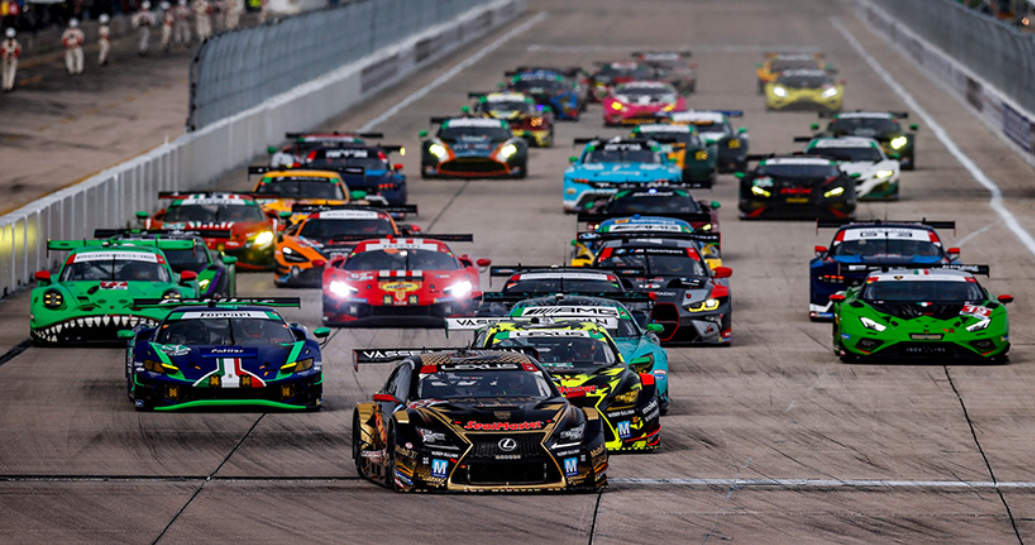
Image 1: Both GTD class and GTD PRO class cars racing each other (Image Courtesy of International Motor Sports Association, LLC)
Do you notice in Image 1 how two identical cars racing next to each other can have either green or red paint on their windshields and mirrors? This is not a stylistic difference but a marker showing which class the cars belong in. Ones with green paint are part of the GTD class—see Making an Everyday Sports Car Into a Track Weapon for more—while ones marked with red paint are part of the GTD PRO class. Interestingly, both cars are mechanically the same and have the same performance specifications.
So, what’s so different about these classes if the cars are the same? How does this impact lap times at a race like the 2026 Rolex 24 at Daytona? The answers to these questions may surprise you.
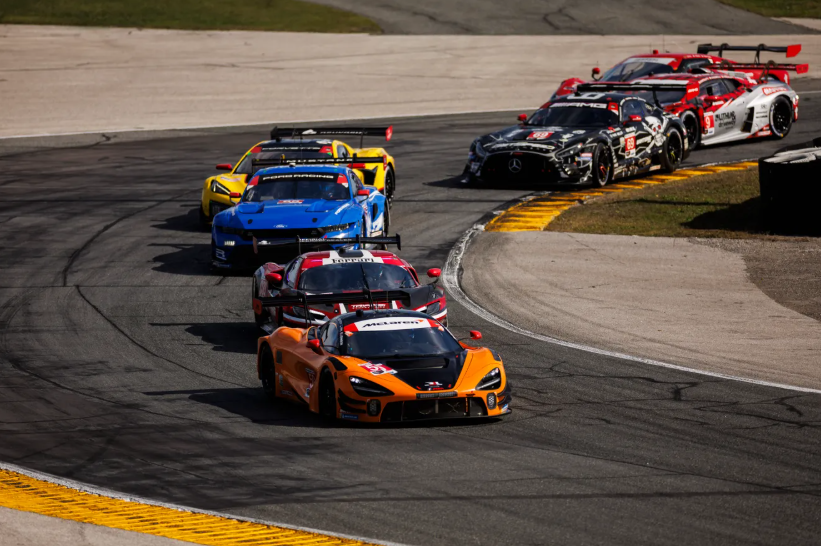
Image 2: GTD PRO class cars racing against each other at the 2026 Rolex 24 at Daytona (Image Courtesy of Nadia Zomorodian/The Daytona Beach News-Journal)
The GTD PRO class racing teams use more drivers that are either Gold- or Platinum-rated drivers, while the GTD class racing teams carry a mix of Bronze-rated, Silver-rated, Gold-rated, and Platinum-rated drivers. The driver ratings come from a combination of each driver’s age and each driver’s racing record. As you might expect, Gold- and Platinum-rated drivers with more experience driving the same car will be able to drive the same car quicker on the same track compared to Bronze- and Silver-rated drivers.
Another crucial factor which separates both classes is manufacturer support. GTD PRO racing teams receive more support from manufacturers than the GTD racing teams do. Similar to driving experience, the manufacturers which have a better understanding of the cars’ chassis dynamics, the engine specifications, and drivetrain and transmission characteristics will have a greater presence among GTD PRO racing teams than GTD racing teams. This also causes an imbalance between the two types of racing teams and is another reason why the two racing classes exist.
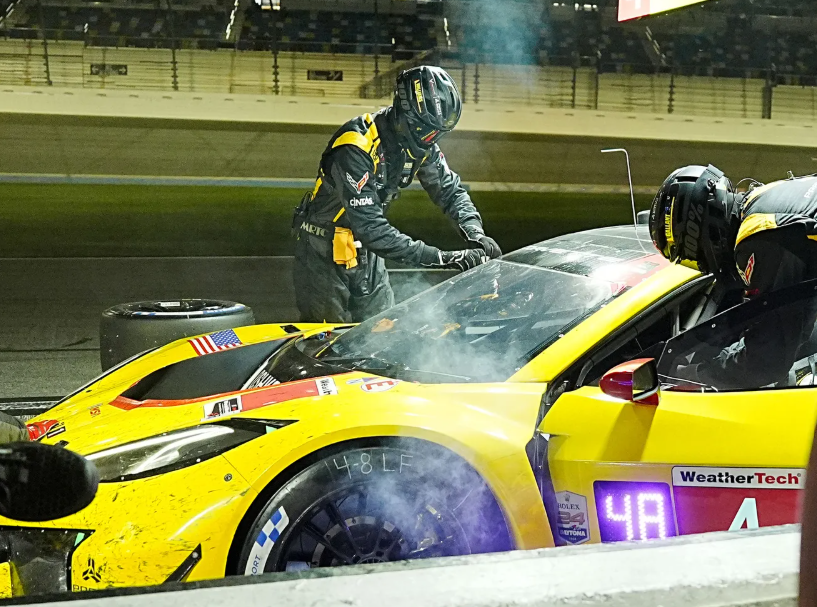
Image 3: A Chevrolet Corvette Z06 GT3.R racing in the GTD PRO class is serviced at a pit stop (Image Courtesy of Nadia Zomorodian/The Daytona Beach News-Journal)
Bottom Line: The difference in manufacturer support and driving skill between the GTD and GTD PRO classes is great enough to where both classes must exist for these races to be fair
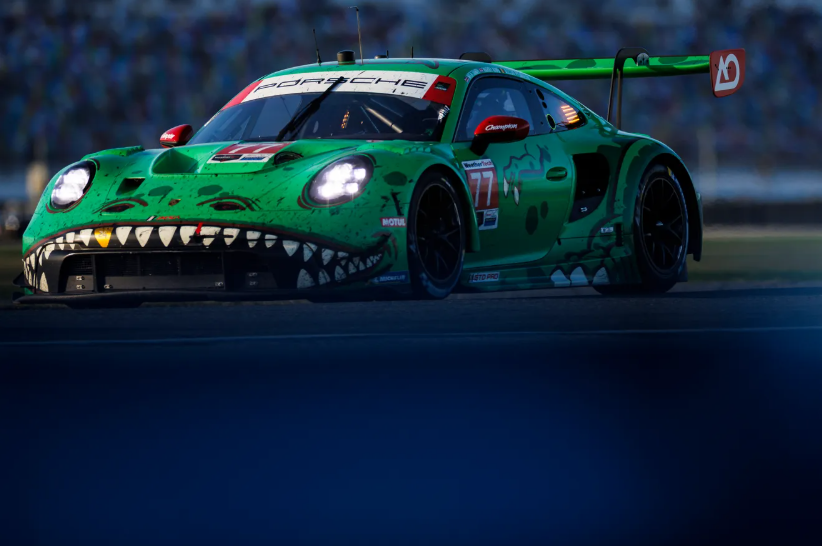
Image 4: A Porsche 911 GT3 R (992) racing in the GTD PRO class (Image Courtesy of Nadia Zomorodian/The Daytona Beach News-Journal)
Let us know what topics you’d like us to tackle next in the comments below!
See more small doses of inspiration from Unifunful Today here
See our thought-provoking articles from Everyday Engineering here and investigate the engineering behind everyday items and places
See our articles from Engineering in Motion here to see how engineering moves us around the world
Missed last week? No worries, we got you! See what we covered last week and more in our weekly status reports here
Discover the vision and values guiding the Unifunful mission here
First time visiting Unifunful? Become familiar with the history and foundation Unifunful was built on here
Meet the contributors who make Unifunful possible here