

Elevating to Prototype Status
Short Answer: The Le Mans Prototype 2 (LMP2) class that races at the Rolex 24 at Daytona is a highly regulated class that’s placed above the Grand Touring Daytona Pro (GTD PRO) class in terms of racing performance and below the Grand Touring Prototype (GTP) class
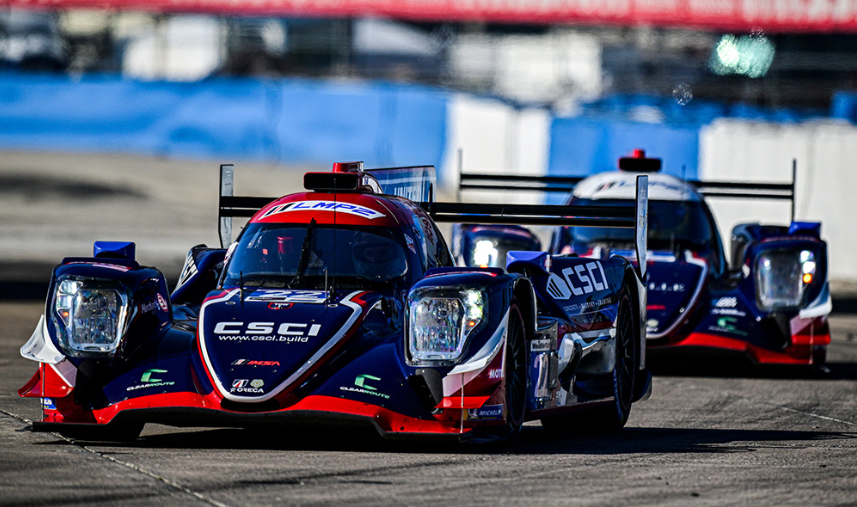
Image 1: LMP2 class cars racing against each other (Image Courtesy of Brandon Badraoui/IMSA/John Dagys Media, LLC)
You most likely know by now the difference between GTD and GTD PRO cars, but you probably haven’t heard much about the LMP2 class that races at the Rolex 24 at Daytona. If you haven’t, then you’ll be interested to learn just how capable the cars in this class truly are. Just take a look at these lap times from this year’s race and see just how remarkable they are at carving up the track!
How do they manage such incredible lap times? Well, it’s in the way they are engineered. Oreca—a manufacturer that produces many of these cars—provides the specs for the current LMP2 cars they produce for these races. Let’s take a closer look at the way these cars are engineered and why it helps them deliver superior lap times to cars in the GTD PRO class.
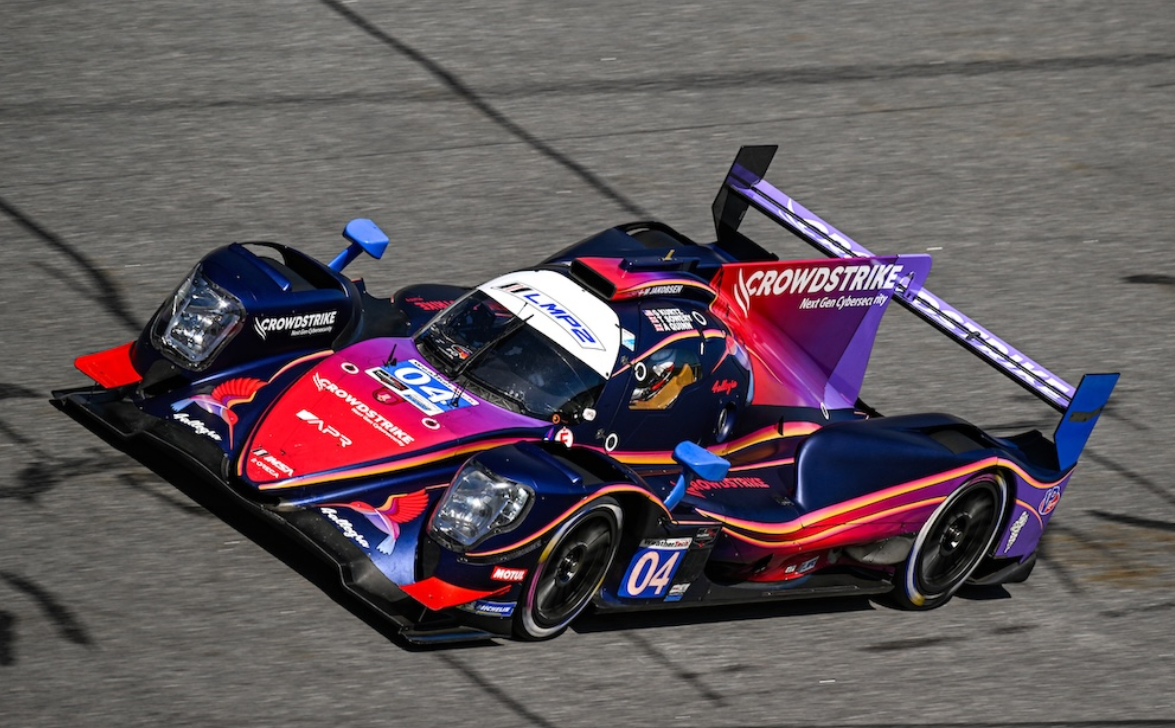
Image 2: An Oreca race car racing at the track (Image Courtesy of Racer Media & Marketing, Inc.)
According to Oreca, their LMP2s have engines generating 603 bhp with max revolutions per minute (RPMs) at 9,000 RPMs. Furthermore, the car’s mass is only 930 kg due to its lightweight carbon fiber monocoque chassis, making it lighter than the GTD PRO cars with similar engine power. This allows these LMP2 cars to have better power-to-weight ratio which helps them achieve better acceleration in the straights.
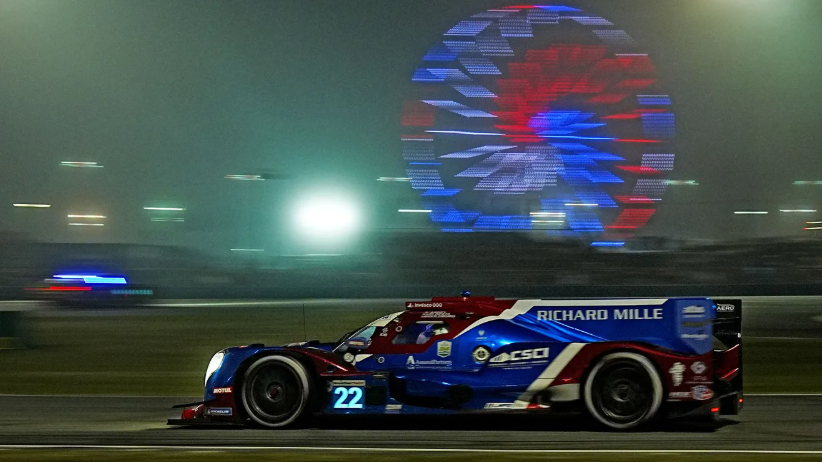
Image 3: An LMP2 car racing at the Rolex 24 at Daytona (Image Courtesy of Nadia Zomorodian/The Daytona Beach News-Journal)
Another thing to keep in mind is the way the car’s exterior body is shaped. As you can see, the car has more aggressive aerodynamics elements to it than the GTD PRO cars do. The extra aerodynamics enhancements allow the car to generate more down force, keeping the car securely planted on the track during high speed cornering maneuvers. This is also why the LMP2 class is able to produce faster lap times than its GTD PRO counterparts.
What’s mind-boggling about this is that there’s a class above the LMP2 class—the GTP class—that has cars that are able to generate even faster lap times! Don’t worry, though. We’ll discuss the top-tier GTP class in tomorrow’s Unifunful Today article.
Bottom Line: What makes the cars in the LMP2 class produce faster lap times than in the GTD PRO class is due to the fact that they have far superior power-to-weight ratios and superior aerodynamics
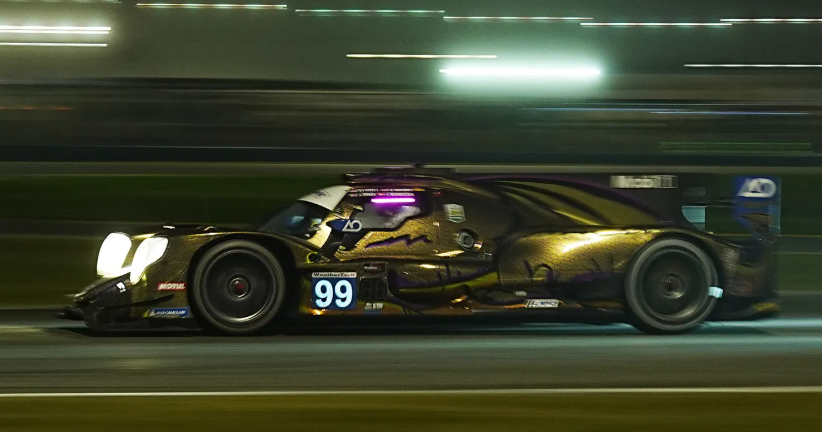
Image 4: An LMP2 car racing at the Rolex 24 at Daytona (Image Courtesy of Nadia Zomorodian/The Daytona Beach News-Journal)
Let us know what topics you’d like us to tackle next in the comments below!
See more small doses of inspiration from Unifunful Today here
See our thought-provoking articles from Everyday Engineering here and investigate the engineering behind everyday items and places
See our articles from Engineering in Motion here to see how engineering moves us around the world
Missed last week? No worries, we got you! See what we covered last week and more in our weekly status reports here
Discover the vision and values guiding the Unifunful mission here
First time visiting Unifunful? Become familiar with the history and foundation Unifunful was built on here
Meet the contributors who make Unifunful possible here