

Not Everything Going Downhill Is Bad
Short Answer: Downhill skiers at the 2026 Winter Olympics use engineering elements as athletes in the event race down the mountain slope.

Image 1: A skier skiing downhill (Image Courtesy of Recreational Equipment, Inc.)
Alpine skiing consists of many different skiing events, but which one’s the fastest? That title belongs to the downhill skiing event, where athletes clock the highest downhill speeds among all the different Alpine skiing events. How does that work, specifically?
Well, the skiers just ski down the hill and only make turns along the downhill event to stay on the course that maps the path of least resistance. This is different to the turns in the other Alpine skiing events like the slalom and giant slalom. So, what makes these athletes move down the mountain slope so quickly? It’s the same things which make your favorite supercars and hypercars effectively handle high speeds.
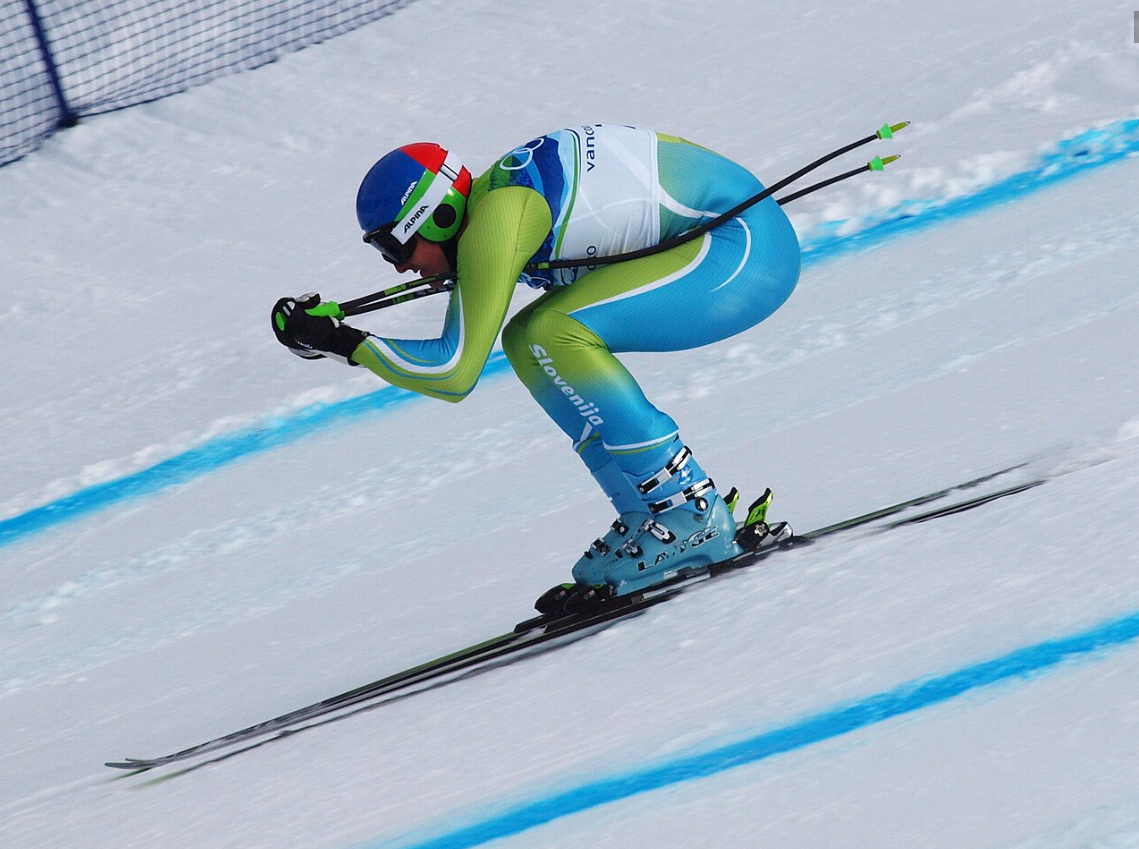
Image 2: Andrej Šporn competing in the downhill event at the 2010 Winter Olympics (Image Courtesy of Wikimedia Foundation, Inc.)
Before the skier starts, the skier is positioned at the peak of the downhill course. Once the skier is ready to go, the skier will push off the starting pad, exerting a force which allows the skier to accelerate and gain speed down the hill. As the skier is moving down the hill, the skier actively lowers their center of gravity and also keeps their body closer together. This helps the skier handle the turns on the downhill slope along with reducing drag to move as fast as possible on the course.
It’s also important to recognize that the skis the downhill skiers use also help them achieve this performance down the slope. The skis these athletes use are shorter and position the skier’s weight towards the rear of the skis. This design allows the skiers to better control their turns while allowing for less friction with the ground since the surface area of the skis is smaller than those used in cross-country skiing. Furthermore, the rear-weight bias helps maintain stability and effective force transfer down the slope than if the weight were in the center or in the front (i.e. one of the reasons why sports cars drivers prefer rear-wheel drive vs front-wheel drive)
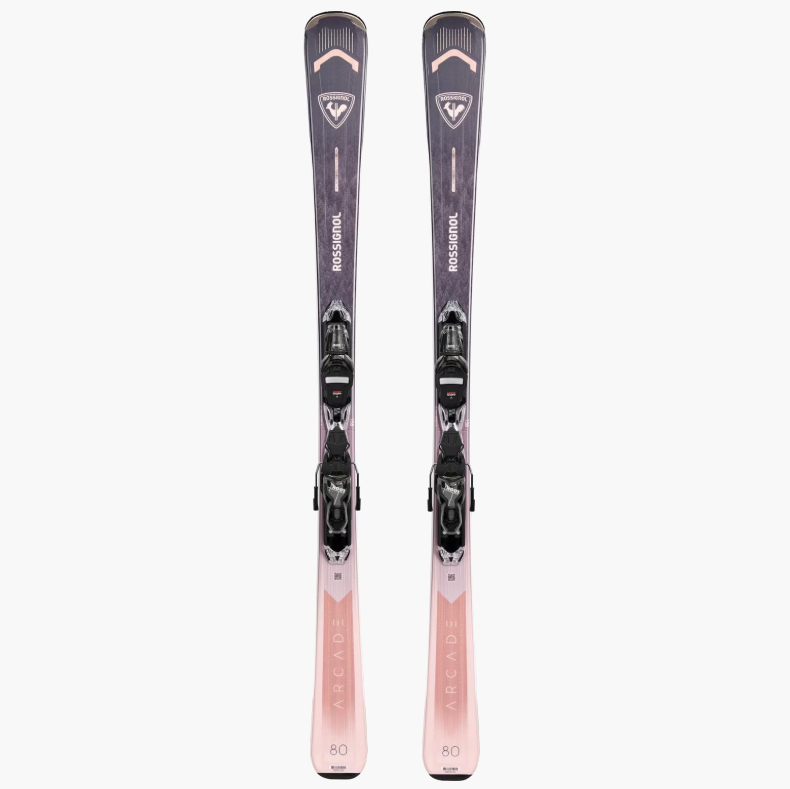
Image 3: A pair of skis from Rossignol that show the heel binding and toe binding components of skis towards the rear of the ski for better performance (Image Courtesy of Recreational Equipment, Inc.)
Similar to the curling article from yesterday, this sport seems simple on the surface, but actually incorporates many engineering elements we use everyday outside of competitive sports.
Bottom Line: The equipment and the techniques downhill skiing athletes use incorporate engineering fundamentals to maximize performance and winning chances.

Image 4: A person skiing down a hill (Image Courtesy of Recreational Equipment, Inc.)
Let us know what topics you’d like us to tackle next in the comments below!
See more small doses of inspiration from Unifunful Today here
See our thought-provoking articles from Everyday Engineering here and investigate the engineering behind everyday items and places
See our articles from Engineering in Motion here to see how engineering moves us around the world
Missed last week? No worries, we got you! See what we covered last week and more in our weekly status reports here
Discover the vision and values guiding the Unifunful mission here
First time visiting Unifunful? Become familiar with the history and foundation Unifunful was built on here
Meet the contributors who make Unifunful possible here