

It’s All About The Curl
Short Answer: Curling will be a popular sport in the 2026 Winter Olympic Games and gets its name from the curl the curling stone makes due to the asymmetric friction made between the curling stone’s running band and the ice surface.
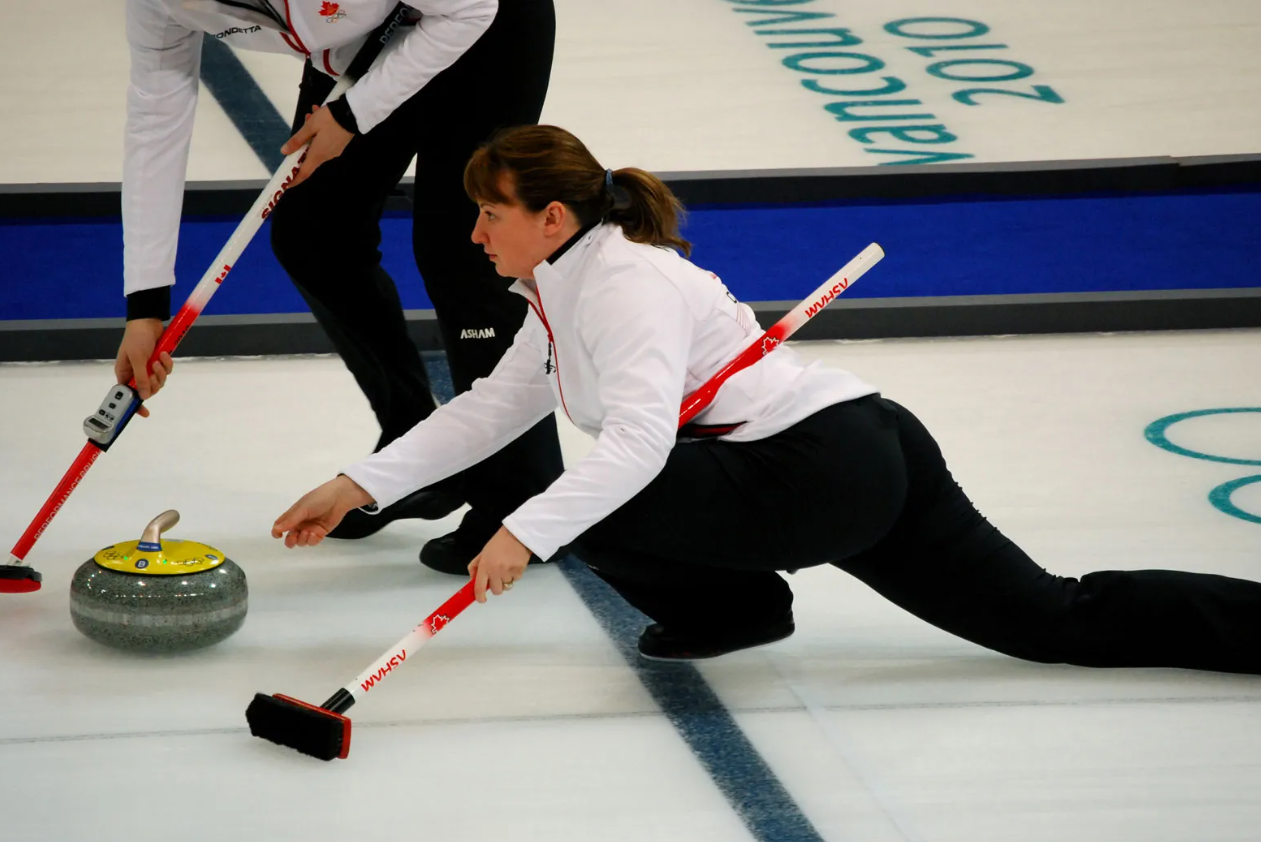
Image 1: A team member from the Canadian Women’s curling team releases the curling stone during the curling match against China in the 2010 Winter Olympic Games in Vancouver, British Columbia, Canada (Image Courtesy of Encyclopædia Britannica, Inc.)
It’s a common sport that most people talk about every four years during the winter olympic games, but outside of the winter olympics, curling isn’t talked about as much. It’s a sport that, despite its simplistic and primitive appearance, actually contains several engineering elements which make the sport quite appealing to many people.
First, each of the eight (8) curling stones used by each team relies on kinetic energy and forward momentum once released from the hog line in the ice after a period of sustained force is applied to the stone. Two people from the team then scrape the ice in front of the curling stone in order to minimize kinetic friction—or the friction that the curling stone experiences while sliding on the ice—in order to preserve the kinetic energy and momentum in the curling stone to ensure it reaches the center of “the house” on the opposing team’s side of the curling rink.
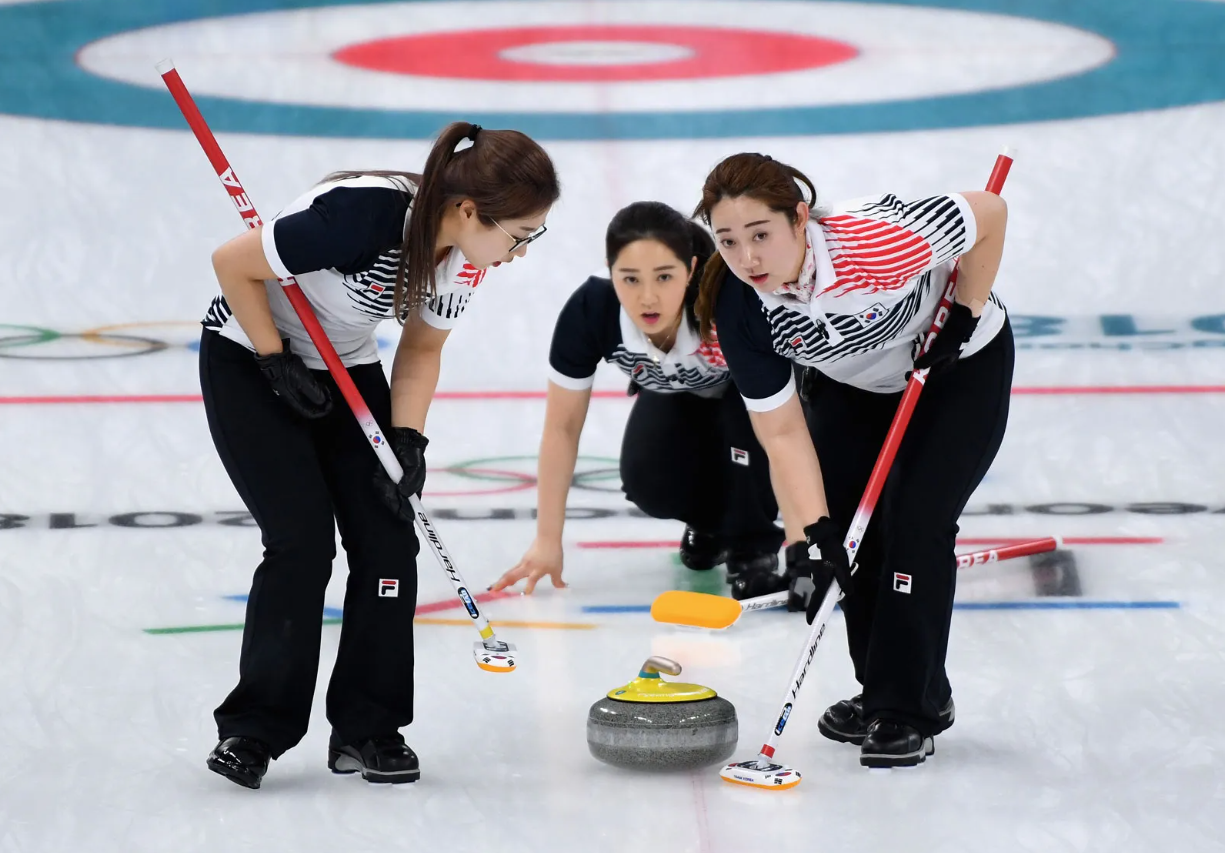
Image 2: The Women’s Curling Team from South Korea compete in the gold medal match at the 2018 Winter Olympics in Pyeongchang County, South Korea (Image Courtesy of Encyclopædia Britannica, Inc.)
Where does the sport’s name, curling, come from? Well, this comes from the asymmetric friction created by the curling stone as it slides across the curling rink. The warmer front part, or the leading edge, of the curling stone melts the ice and, consequently, causes the cooler rear part, or the trailing edge, of the curling stone to turn. This asymmetric friction causes the stone to “curl” as it moves towards the opposing team’s “house”. This is a key element of the sport as this affects the dynamic of how teams aim the curling stones and how each team plans to win each curling match.
Image 3: Athletes on a curling rink moving a curling stone (Image Courtesy of Encyclopædia Britannica, Inc.)
While curling may appear to be a simple sport, there are many engineering elements in the sport that determine whether or not a team wins the game. So, the next time you watch a curling match, maybe you’ll be able to spot these engineering elements in action!
Bottom Line: Kinetic friction, kinetic energy and momentum are all integral to the success of curling teams in the 2026 Winter Olympic Games.
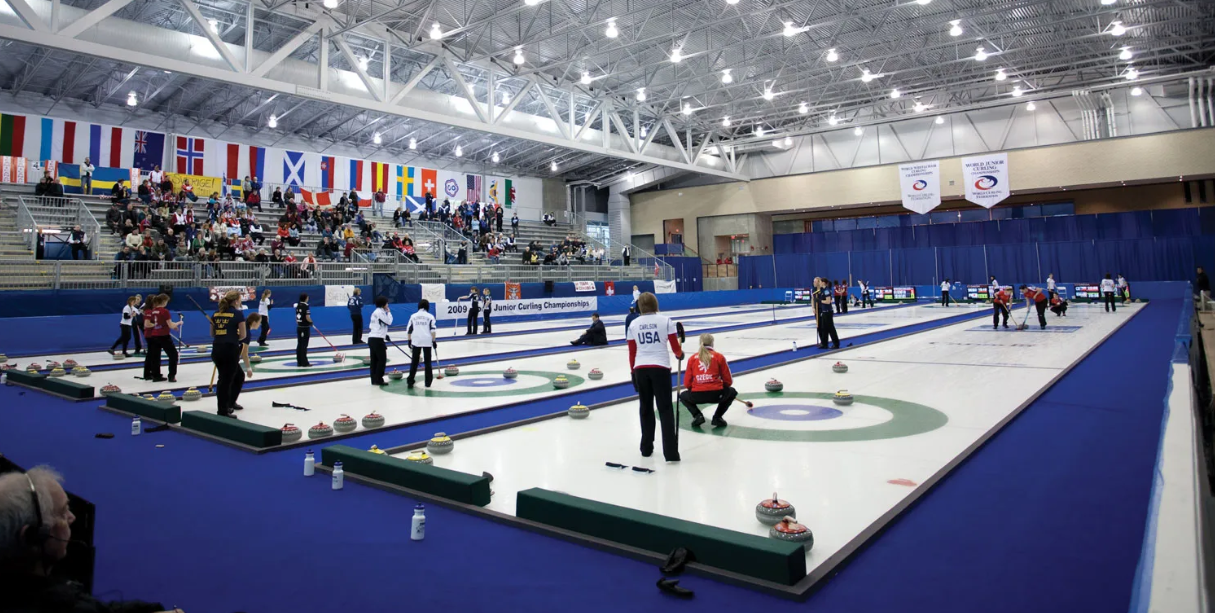
Image 4: Athletes competing at the 2009 World Junior Curling Championships in Vancouver, British Columbia, Canada (Image Courtesy of Encyclopædia Britannica, Inc.)
Let us know what topics you’d like us to tackle next in the comments below!
See more small doses of inspiration from Unifunful Today here
See our thought-provoking articles from Everyday Engineering here and investigate the engineering behind everyday items and places
See our articles from Engineering in Motion here to see how engineering moves us around the world
Missed last week? No worries, we got you! See what we covered last week and more in our weekly status reports here
Discover the vision and values guiding the Unifunful mission here
First time visiting Unifunful? Become familiar with the history and foundation Unifunful was built on here
Meet the contributors who make Unifunful possible here