

Like Running on Ice
Short Answer: Speed skating relies on engineering principles such as center of gravity, friction, aerodynamics, and force from the speed skater’s legs to help the speed skater win the race
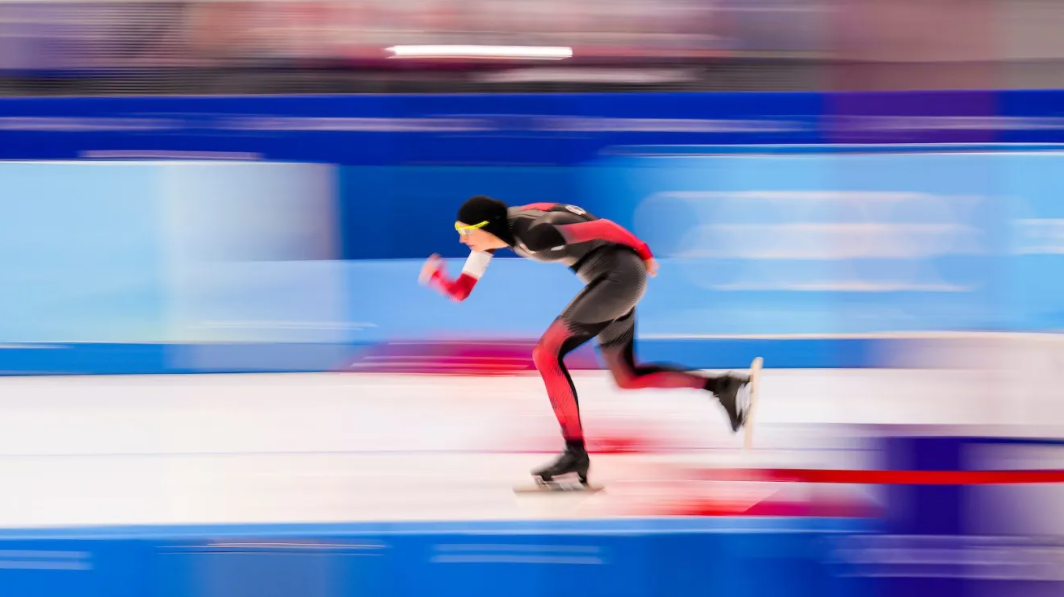
Image 1: A speed skater representing Canada competes in a speed skating competition (Image Courtesy of Andrew Lahodynskyj/Canadian Olympic Committee)
One of the most exciting events to watch at the 2026 Milano Cortina Winter Olympic Games is speed skating. Whether or not the race itself is long-track or short-track, the governing fundamentals between both types of racing are the same: low center of gravity, the right aerodynamic profile to generate the most amount of speed, skates that have blades providing the least amount of friction and won’t slow the skater down, and force generated from the skater’s legs to power them through the race.
First thing many viewers will notice are the bodysuits and the positions these speed skaters have while racing. These two things together reduce the drag force on the speed skater during the event, allowing the speed skater to carry more speed during the race. With regard to the speed skater’s crouched position, the speed skater’s center of gravity is reduced. This allows the speed skater to carry more speed through the turn. A speed skater that is able to master this technique for the duration of the race has a greater chance of victory than one that does not have this technique mastered.
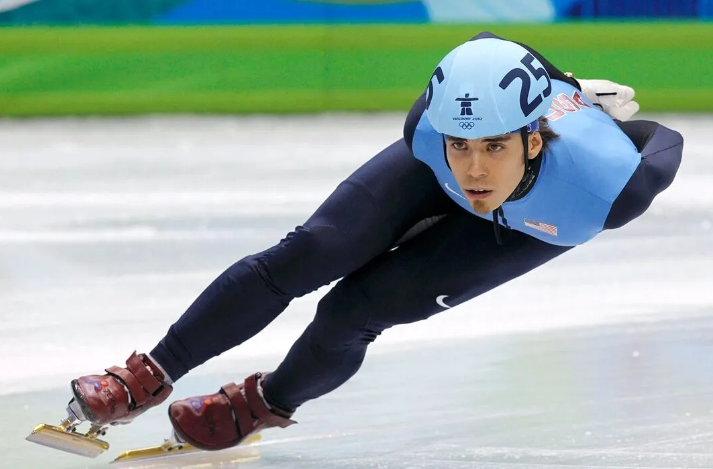
Image 2: Former U.S. short track speed skater Apolo Anton Ohno competes in the 2002 Salt Lake City Olympic Games (Image Courtesy of U.S. Olympic & Paralympic Committee)
A speed skater might have all the right gear and the right training to maintain a low center of gravity, skates that reduce friction, a bodysuit and racing position that will allow the speed skater to achieve the highest speed possible, and skates containing blades that produce the least amount of friction possible. However, there is one more crucial element to the speed skater’s success: force generated from the speed skater’s own legs.
In fact, seasoned and elite speed skaters have well-developed quadriceps and calves for similar reasons track athletes do: to generate speed and produce acceleration. Without the years of training needed for elite and seasoned speed skaters to produce the necessary speeds to compete in international speed skating competitions, the less likely it will be for that athlete to have a competing chance to win the race.
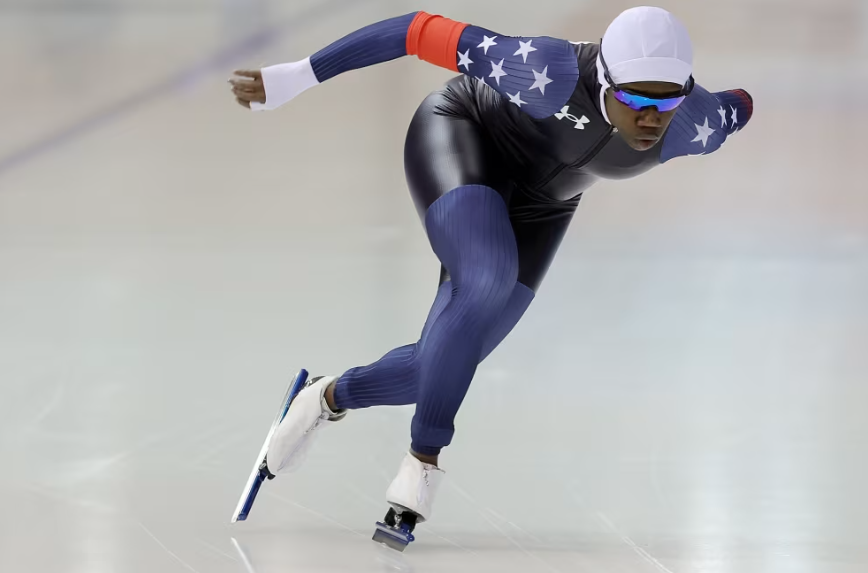
Image 3: U.S. speed skater Erin Jackson competes in the U.S. Olympic Trials on January 8, 2022 (Image Courtesy of Stacy Revere/Getty Images/Cable News Network)
Bottom Line: Speed skating was created around engineering fundamentals and uses the latest engineering technology to increase both speed and chances of winning
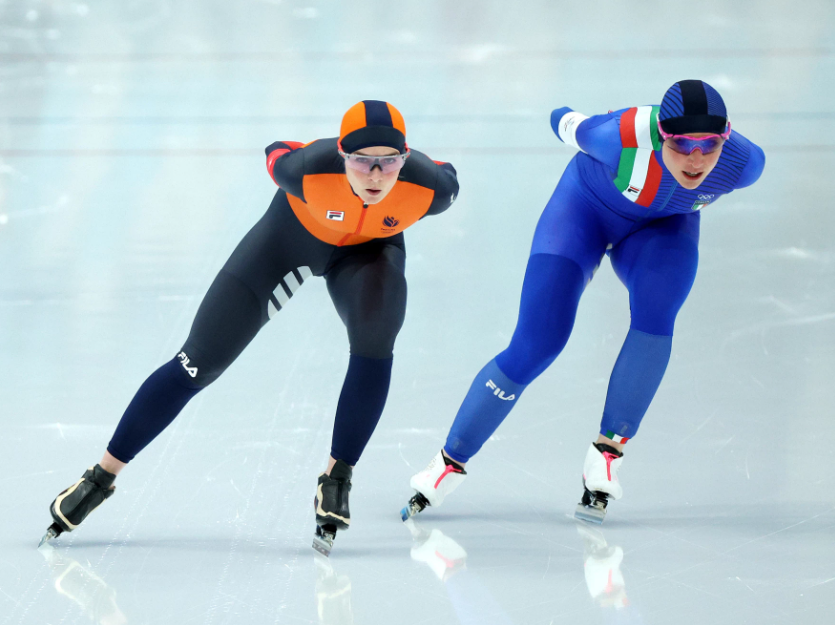
Image 4: Speed skaters competing in the 2022 Beijing Winter Olympic Games (Image Courtesy of Ideastream Public Media)
Let us know what topics you’d like us to tackle next in the comments below!
See more small doses of inspiration from Unifunful Today here
See our thought-provoking articles from Everyday Engineering here and investigate the engineering behind everyday items and places
See our articles from Engineering in Motion here to see how engineering moves us around the world
Missed last week? No worries, we got you! See what we covered last week and more in our weekly status reports here
Discover the vision and values guiding the Unifunful mission here
First time visiting Unifunful? Become familiar with the history and foundation Unifunful was built on here
Meet the contributors who make Unifunful possible here