

Barreling Down In A Sleigh
Short Answer: The bobsleigh event at the 2026 Milano Cortina Winter Olympic Games uses a lightweight and aerodynamic sleigh with steering that can transport 1 person—monobob—or a men’s and women's team of either 2 or 4 people down the ice track as fast as possible.
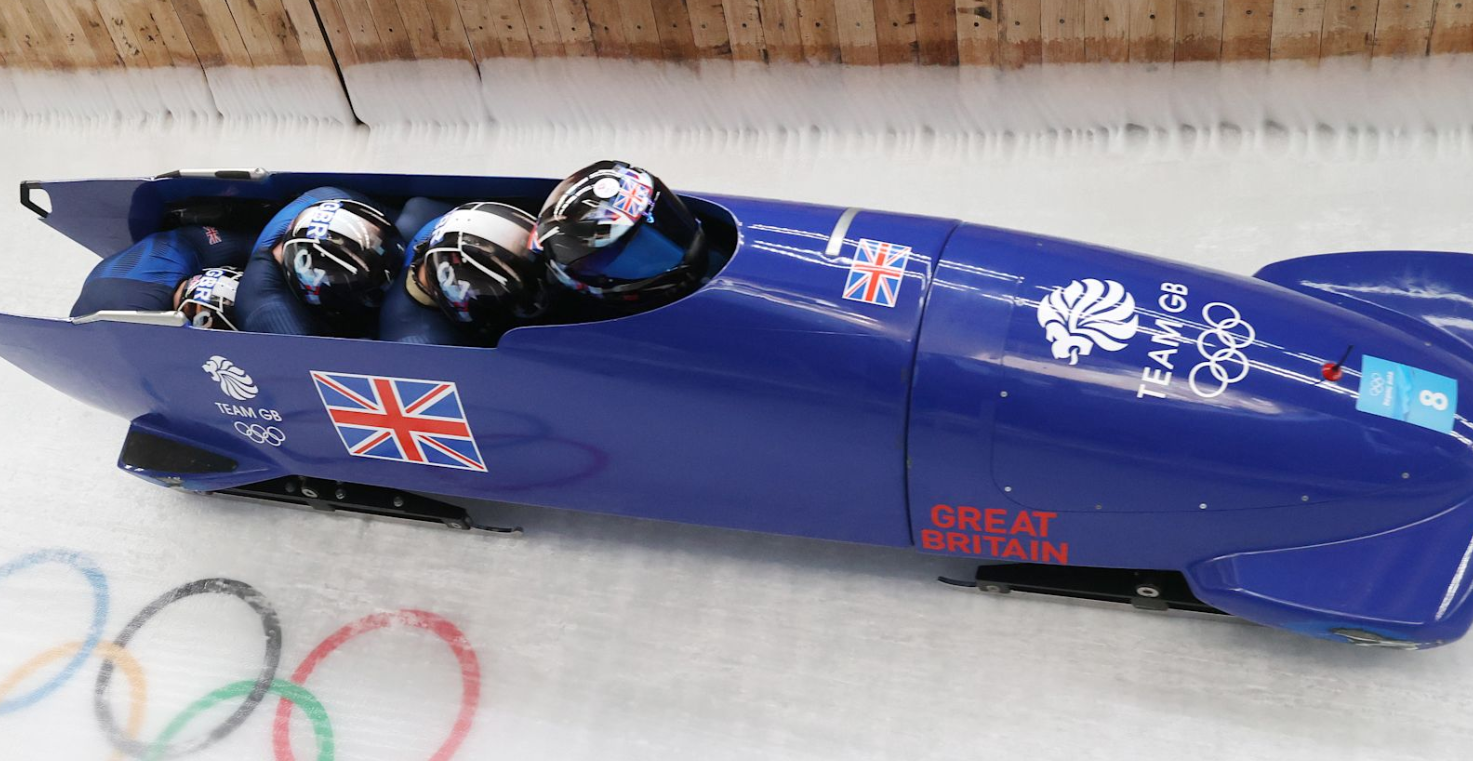
Image 1: Team Great Britain competes in a bobsleigh event at the 2022 Beijing Winter Olympic Games (Image Courtesy of the official British Olympic Association)
As you probably can see by now with some of the Winter Olympic events we’ve covered, speed and traction play a vital role in many of these events. Another event which relies on these elements is the bobsleigh. This has similar features to the luge as we discussed yesterday, but the bobsleigh is a bit more involved than the luge. Let’s take a look at why that is.
When looking at the two different sports, you will notice how the bobsled—the vehicle bobsleigh teams and athletes use—are typically more complex than the sleds used by luge athletes. This is because teams use bobsleds which use lightweight fiberglass for their aerodynamic hulls and have steering mechanisms inside the bobsleds which allow the sleds to be steered either left or right. Like the sleds used in the luge, bobsleds use steel runners that produce as little friction as possible to help the teams get down the ice track as fast and as quickly as possible.
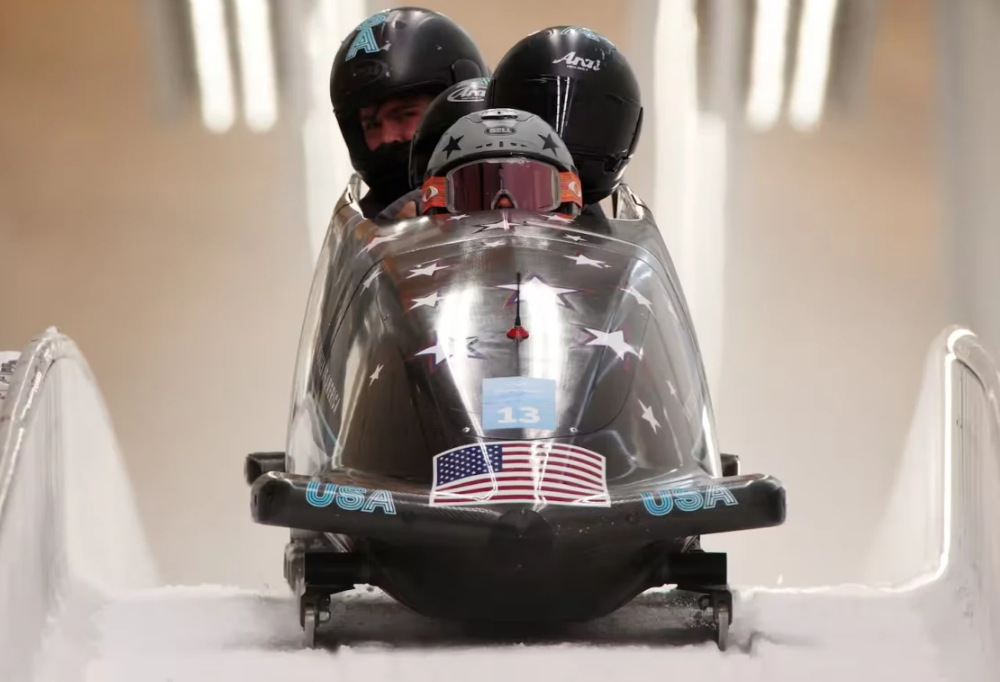
Image 2: The 4-man bobsleigh team from Team USA competing at the 2022 Beijing Winter Olympic Games (Image Courtesy of United States Olympic & Paralympic Committee)
Furthermore, what can be seen on the front and rear of the bobsleigh are external protrusions which act as protection from the walls of the ice track but also maybe something else. Like supercars and hypercars have dive plates, front spoilers and rear diffusers to help increase down force to help them stay on the track at high speeds, so is also the purpose of these external protrusions on the front and back of these bobsleds.
More importantly, while each bobsleigh might slightly differ in shape compared to each other, the overall shape of each is remarkably similar. This is because they need to go down the ice track as fast and quickly as possible while producing the smallest amount of drag force possible. Thus, this is one of the reasons why bobsleds have very narrow and elongated shapes.
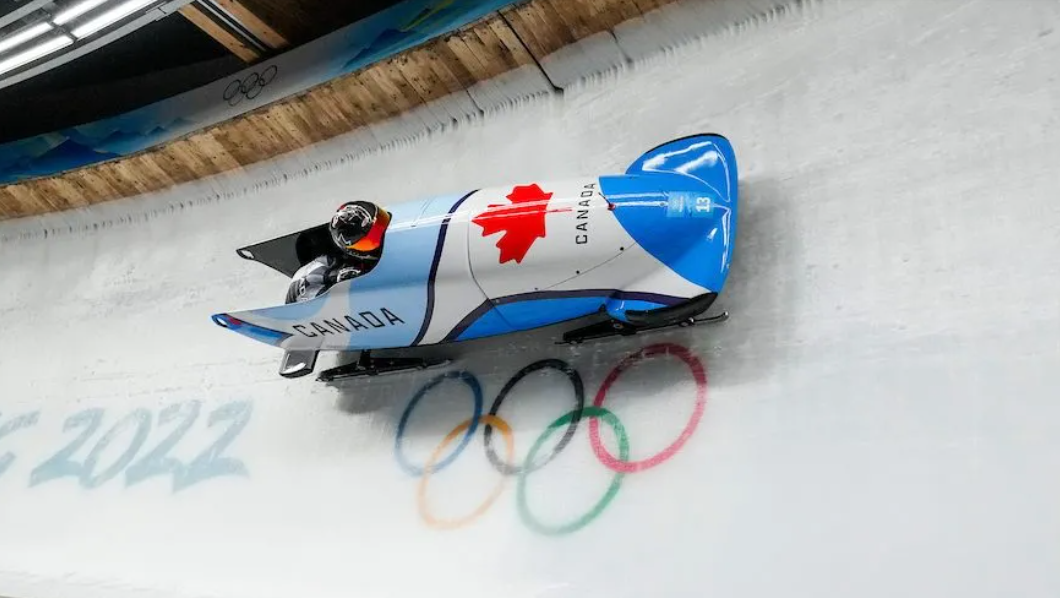
Image 3: A two-person bobsleigh team from Canada competes in the 2022 Beijing Winter Olympic Games (Image Courtesy of Leah Hennel/Canadian Olympic Committee)
Bottom Line: The bobsleigh event uses bobsleds that incorporate the latest engineering technology and design to help competing teams generate the fastest speeds and clock the fastest times down the ice track.
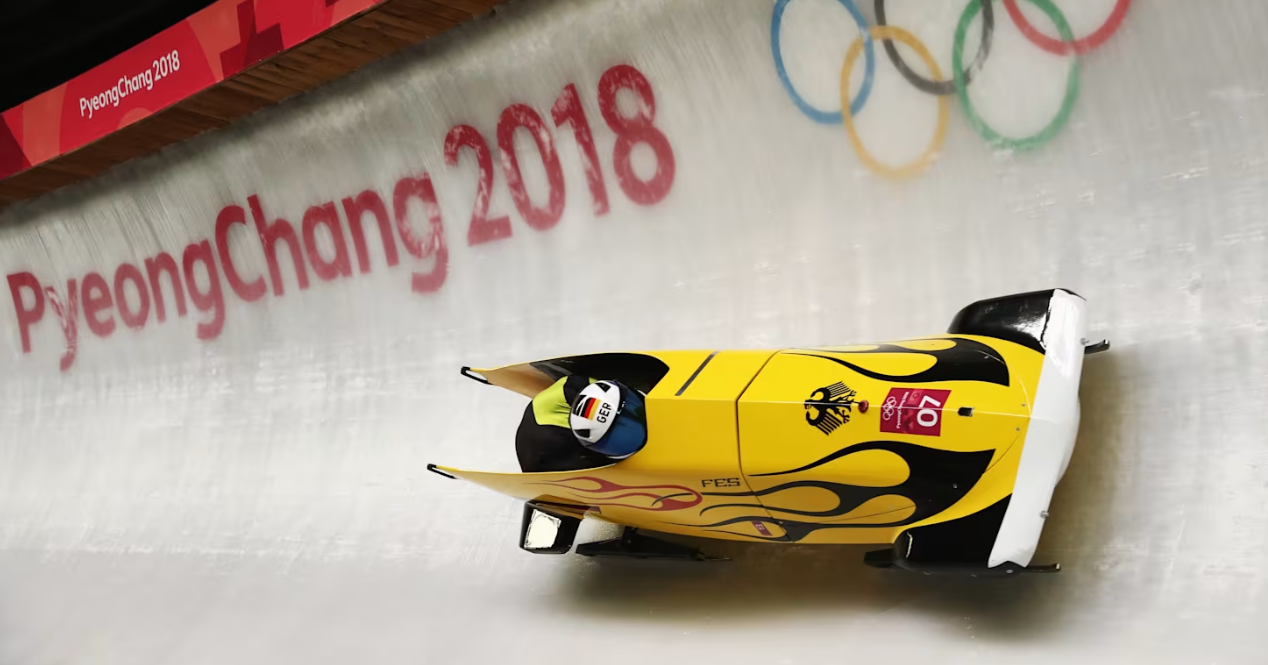
Image 4: A German bobsleigh team competes at the 2018 PyeongChang Winter Olympic Games (Image Courtesy of Getty Images/International Olympic Committee)
Let us know what topics you’d like us to tackle next in the comments below!
See more small doses of inspiration from Unifunful Today here
See our thought-provoking articles from Everyday Engineering here and investigate the engineering behind everyday items and places
See our articles from Engineering in Motion here to see how engineering moves us around the world
Missed last week? No worries, we got you! See what we covered last week and more in our weekly status reports here
Discover the vision and values guiding the Unifunful mission here
First time visiting Unifunful? Become familiar with the history and foundation Unifunful was built on here
Meet the contributors who make Unifunful possible here