

Going for Gold Across the Icy Pipe
Short Answer: Athletes who compete in snowboarding at the 2026 Milano Cortina Winter Olympic Games primarily rely on these two engineering principles: kinetic/potential energy and damping.
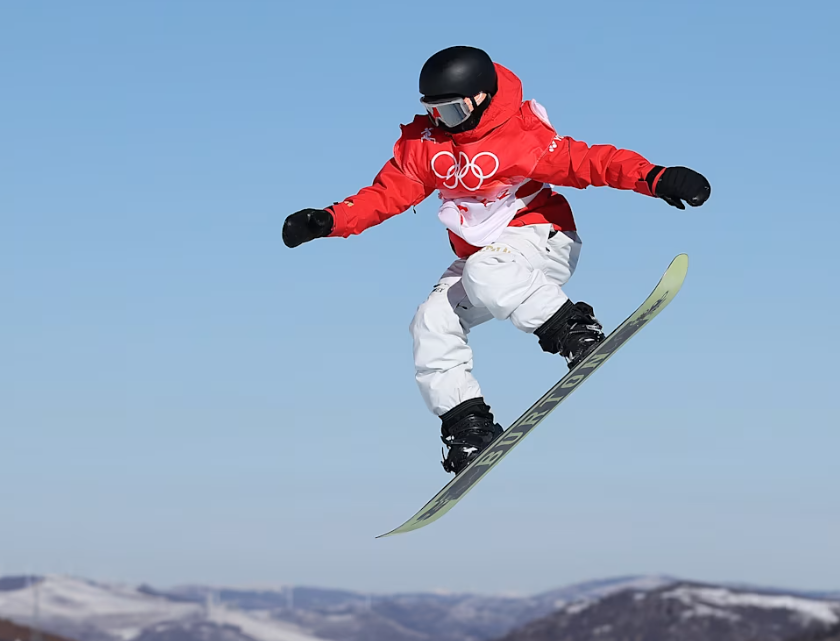
Image 1: A snowboarder competes in a snowboarding competition (Image Courtesy of Getty Images/International Olympic Committee)
Snowboarding is an interesting sport where athletes compete with each other sliding on a long and tall halfpipe and use many of the same engineering elements discussed in previous Unifunful Today Winter Olympic articles: momentum, friction and force. These athletes also use equipment and training that’s engineered around these engineering principles. However, this is where the similarities between snowboarding and the other Winter Olympic sports end.
For this sport, the two main engineering principles that are on display in this event are kinetic/potential energy and damping. The athlete that can master these two engineering principles the best is the athlete which has the best chance of winning the snowboarding competition.
The engineering principle which is best displayed during the event is the use of both kinetic and potential energy. This is seen when the snowboarder reaches their maximum altitude in the air—which represents the greatest potential energy the snowboarder can have at that moment in time—and when the snowboarder slides as fast as possible at the lowest point in the halfpipe—which represents the greatest kinetic energy the snowboarder can have at that moment in time.
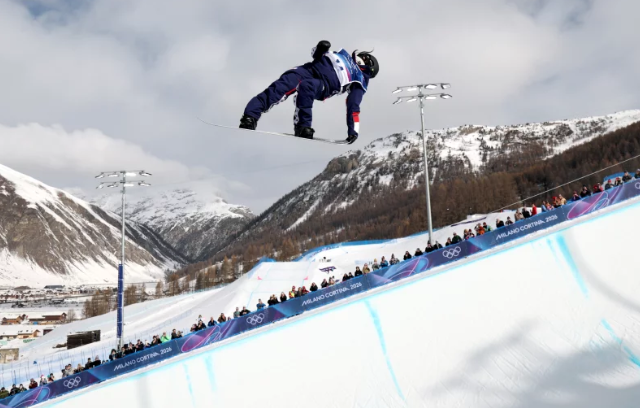
Image 2: Snowboarding athlete Chloe Kim competes in a snowboarding competition at the 2026 Milano Cortina Winter Olympics (Image Courtesy of Adam Petty/Getty Images/NPR)
Another crucial engineering principle these athletes use during competition is damping. Although not as apparent as the kinetic and potential energy concept these athletes use, proper damping technique allows the athlete to properly absorb impact when the athlete returns from the air to the halfpipe. Both the training techniques the athlete learned to properly absorb this impact along with proper snowboard construction allow the athlete to maximize damping without overdoing it.
So, while these athletes require years of training and natural ability to make awe-inspiring stunts on a snowy halfpipe, they also use engineering principles that so many of us rely on everyday to make life easier.
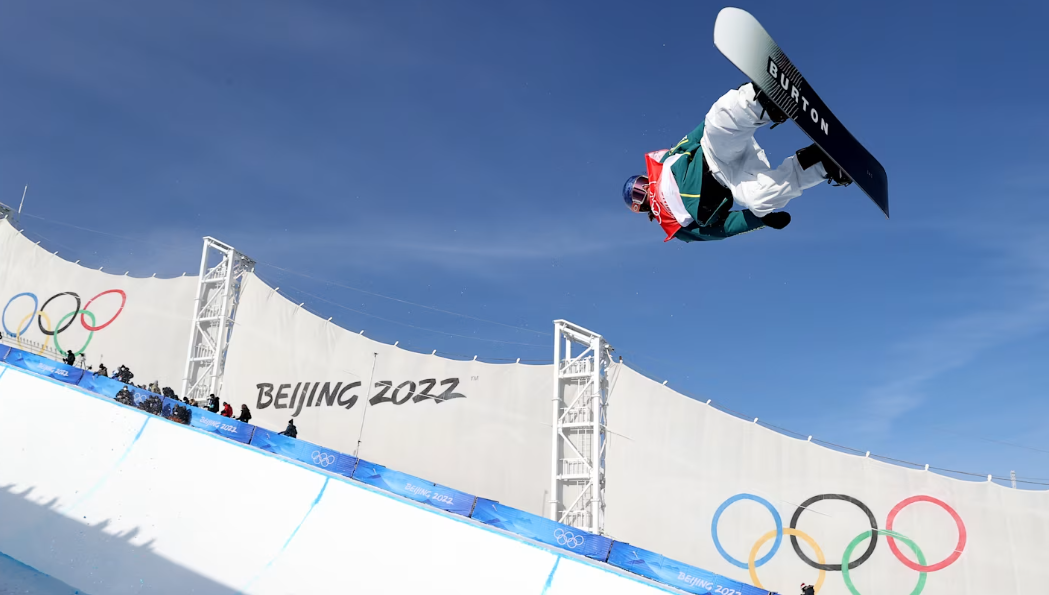
Image 3: An athlete competing at the 2022 Beijing Winter Olympic Games (Image Courtesy of 2022 Getty Images/International Olympic Committee)
Bottom Line: Understanding and mastering the effects of kinetic/potential energy and damping influence how snowboarders train and why their gear is designed and engineered in a particular way.
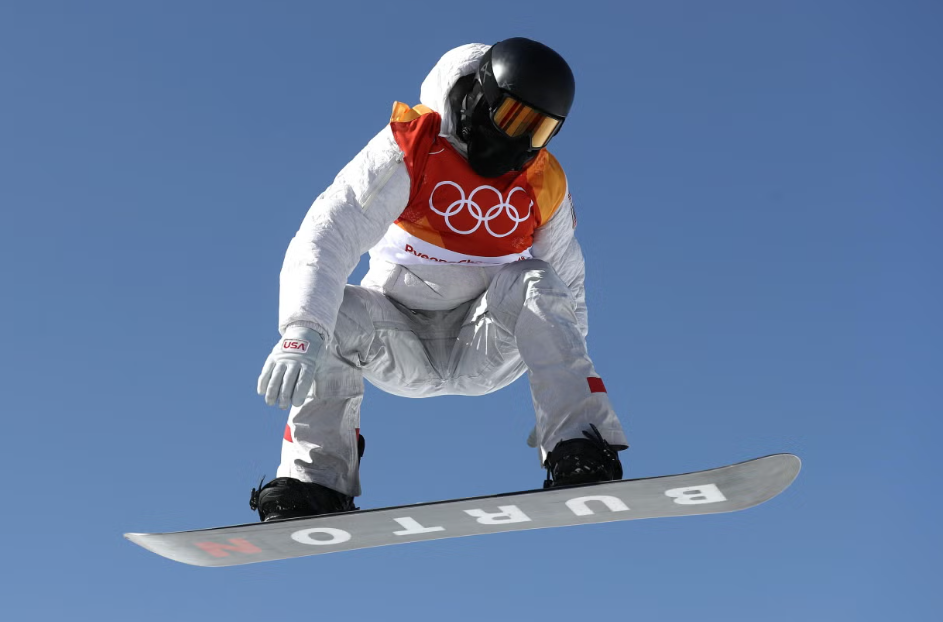
Image 4: Snowboarding legend Shawn White competing for the USA at the 2018 PyeongChang Winter Olympics (Image Courtesy of Clive Rose/Getty Images/The Independent)
Let us know what topics you’d like us to tackle next in the comments below!
See more small doses of inspiration from Unifunful Today here
See our thought-provoking articles from Everyday Engineering here and investigate the engineering behind everyday items and places
See our articles from Engineering in Motion here to see how engineering moves us around the world
Missed last week? No worries, we got you! See what we covered last week and more in our weekly status reports here
Discover the vision and values guiding the Unifunful mission here
First time visiting Unifunful? Become familiar with the history and foundation Unifunful was built on here
Meet the contributors who make Unifunful possible here