

Moving With Balance and Grace
Short Answer: Figure skaters at the 2026 Milano Cortina Winter Olympics rely on balance and momentum to wow audiences with their mesmerizing performances
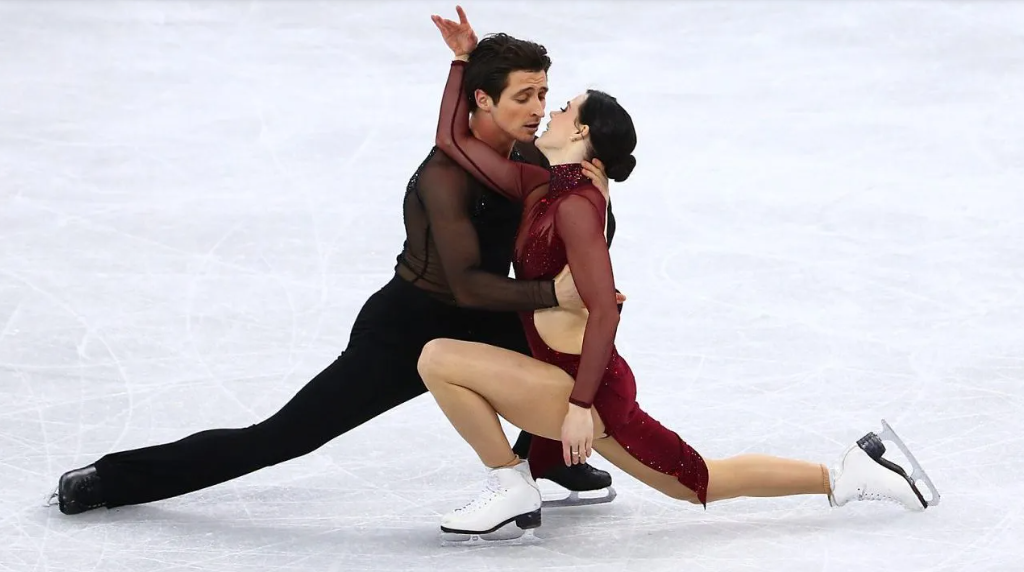
Image 1: Figure skaters compete in a competition (Image Courtesy of Vaughn Ridley/Canadian Olympic Committee)
Figure skaters dazzle the audiences with their routines and the grace they carry themselves with on the ice. The seamless flows between elements. The cohesiveness of everything together. But how are they able to manage all of this? Is it all just natural ability? Is it in the training? Well, actually, it might be a bit of both, since very few people are able to combine two very critical elements needed to perform these figure skating routines so well: balance and momentum.
One thing figure skaters must be aware of is their balance with regards to where their bodies are at all times. This is especially important when figure skaters perform elements like a spin or extend their bodies while gliding on one foot to add grace and elegance to their routine. While this can be taught to an extent, the way the athletes at the Olympics are able to perform these elements so artistically most likely takes natural ability.
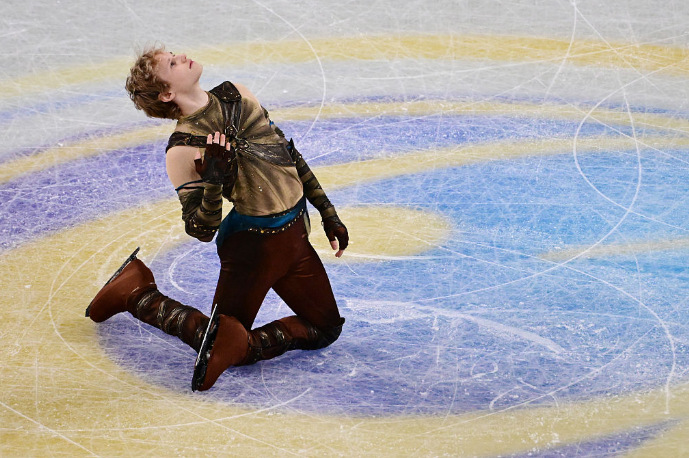
Image 2: U.S. figure skater Ilia Malinin competing in a figure skating competition (Image Courtesy of International Skating Union)
Another component figure skaters must take into account is momentum. This is evident in complex elements such as Axels where the figure skater rotates their body in the air. If the figure skater is not able to master the ability to conserve their momentum in a graceful and elegant manner for the entire duration of the element, they might not be able to score as high as someone who is able to master this concept.
It’s incredible to see these athletes be able to perform maneuvers that are genuinely out of reach for so many of us and appear to defy the laws of physics. Ironically, though, their sport is entirely dependent on the same physics principles that help engineers in fields such as civil engineering and mechanical engineering design and engineer safe and reliable products.
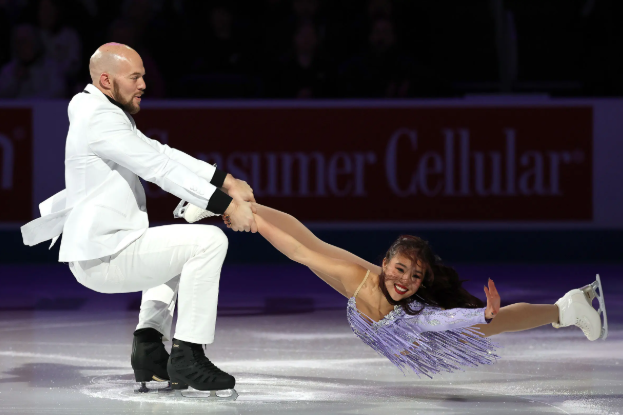
Image 3: Figure skaters rely on many of the same physics principles that civil and mechanical engineers use to make everyday structures and machines (Image Courtesy of Matthew Stockman—Getty Images/TIME USA, LLC)
So, while these routines might require natural ability and years of training to perform them at such a high level, the underlying physics principles that can also be used in engineering are the same: being able to balance weight effectively while conserving momentum safely and gracefully.
Bottom Line: While figure skaters appear to defy physics, they actually use many of the physics principles civil and mechanical engineers use every day.
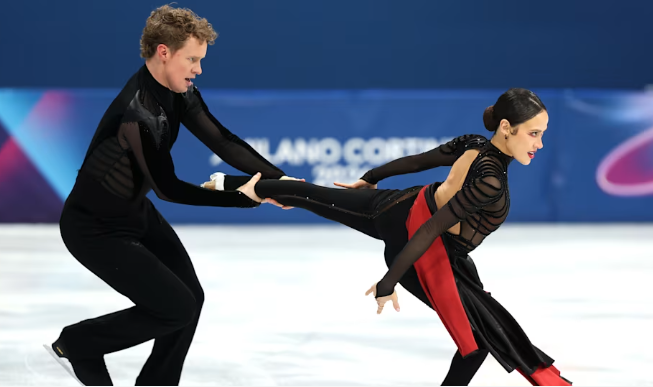
Image 4: Figure skaters competing at the 2026 Milano Cortina Winter Olympics (Image Courtesy of Getty Images/International Olympic Committee)
Let us know what topics you’d like us to tackle next in the comments below!
See more small doses of inspiration from Unifunful Today here
See our thought-provoking articles from Everyday Engineering here and investigate the engineering behind everyday items and places
See our articles from Engineering in Motion here to see how engineering moves us around the world
Missed last week? No worries, we got you! See what we covered last week and more in our weekly status reports here
Discover the vision and values guiding the Unifunful mission here
First time visiting Unifunful? Become familiar with the history and foundation Unifunful was built on here
Meet the contributors who make Unifunful possible here