

A Long Way to the Finish
Short Answer: Cross country skiers at the 2026 Milano Cortina Winter Olympics rely on momentum preservation, longer skis to glide through the snow easier over longer distances, and leaner athletic builds to endure and win long cross country races
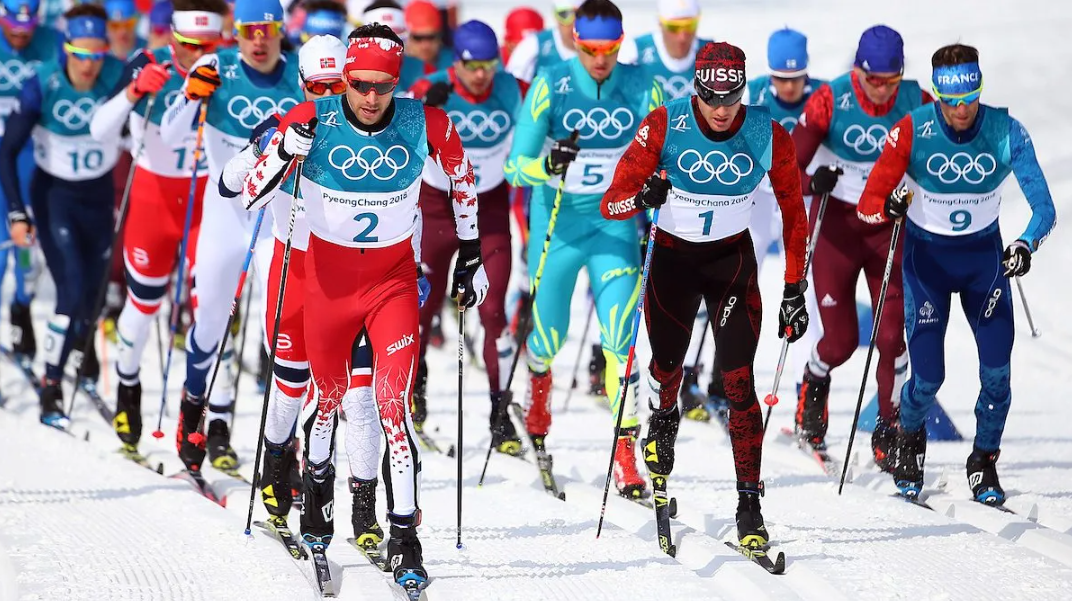
Image 1: Cross country skiers competing at the 2018 PyeongChang Winter Olympics (Image Courtesy of Vaughn Ridley/Canadian Olympic Committee)
For those who are not so familiar with skiing, there are long-distance racing events in skiing called cross-country skiing. This event is organized similarly to that of a marathon: many people starting at the starting line ready to run many miles or kilometers to the finish line with the hopes of being the champion of the event. In cross-country skiing, these elements are the same. The athletes in both events also have leaner athletic builds than compared to other athletic events. These athletic builds help the athletes preserve as much energy as possible while using as little energy as possible due to less muscle mass requiring energy and a lighter weight overall. However, this is where the similarities between a marathon and cross-country skiing end.
The athletes in a cross-country skiing event also wear long skis which help the skiers glide through the snow over the long distance of the course. Compared to Alpine skiing, there aren’t the same sharp turns involved in cross-country skiing courses, meaning that shorter skis used in Alpine skiing would not suit the athletes in cross-country skiing very well. Also, as a means to preserve energy, cross-country skiers do not crouch the entire duration of the race like Alpine skiers do. Since cross-country skiing is considerably longer in distance than Alpine skiing, being in a crouched position would require enormous amounts of energy and endurance.
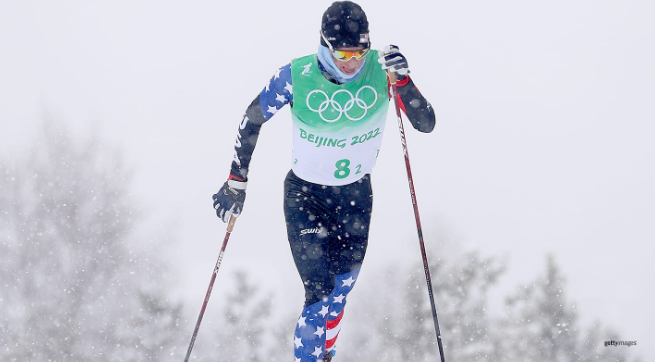
Image 2: Scott Patterson of Team USA competes in a cross country skiing event at the 2022 Beijing Winter Olympics (Image Courtesy of United States Olympic & Paralympic Committee)
As with other endurance sports, the main goal is to use energy as efficiently as possible while maintaining momentum throughout the course. If the cross-country skier can maintain a higher speed throughout the course longer than the other athletes can and preserve their energy better than the rest of the athletes can, then there’s a higher chance that the cross-country skier will win the event. In terms of the equipment and training used in cross-country skiing, all of it is designed around the engineering concepts of energy and speed conservation.
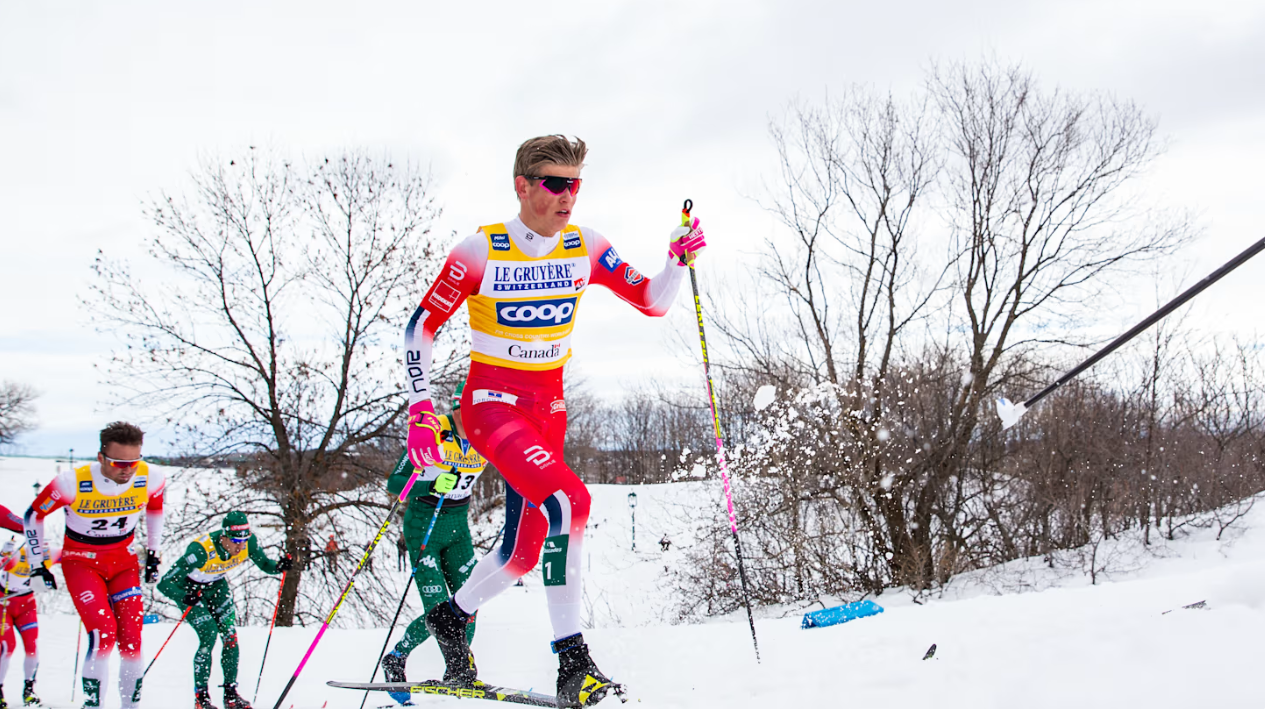
Image 3: Cross-country skiers competing in a race (Image Courtesy of 2019 Dustin Satloff/International Olympic Committee)
Bottom Line: All the equipment and training these cross-country athletes have is designed to help these athletes efficiently use their energy reserves and maintain the steadiest, fastest pace in order to win the cross-country race.
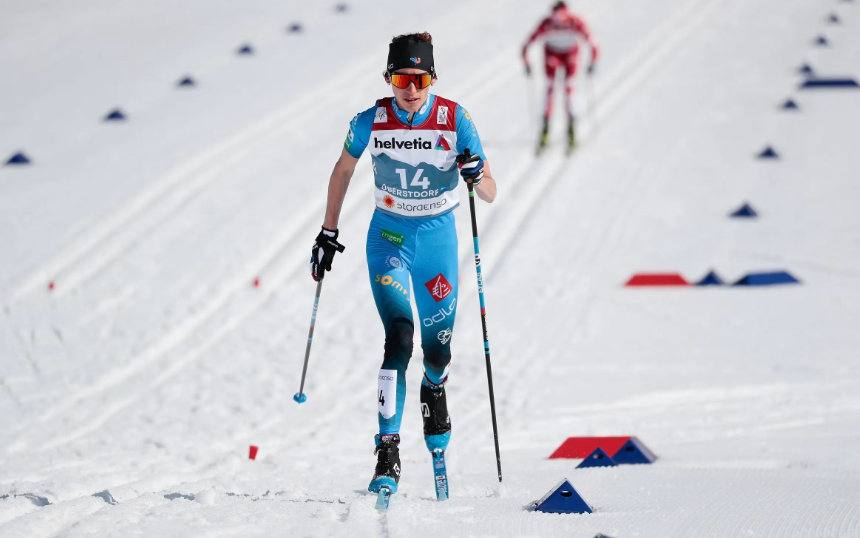
Image 4: Cross-country skier competing in a cross-country skiing event (Image Courtesy of Salomon)
Let us know what topics you’d like us to tackle next in the comments below!
See more small doses of inspiration from Unifunful Today here
See our thought-provoking articles from Everyday Engineering here and investigate the engineering behind everyday items and places
See our articles from Engineering in Motion here to see how engineering moves us around the world
Missed last week? No worries, we got you! See what we covered last week and more in our weekly status reports here
Discover the vision and values guiding the Unifunful mission here
First time visiting Unifunful? Become familiar with the history and foundation Unifunful was built on here
Meet the contributors who make Unifunful possible here