

Flying on the Ice Slide
Short Answer: Athletes competing in the luge at the 2026 Winter Olympics rely on engineering fundamentals like aerodynamics and weight distribution to help them get the fastest times possible
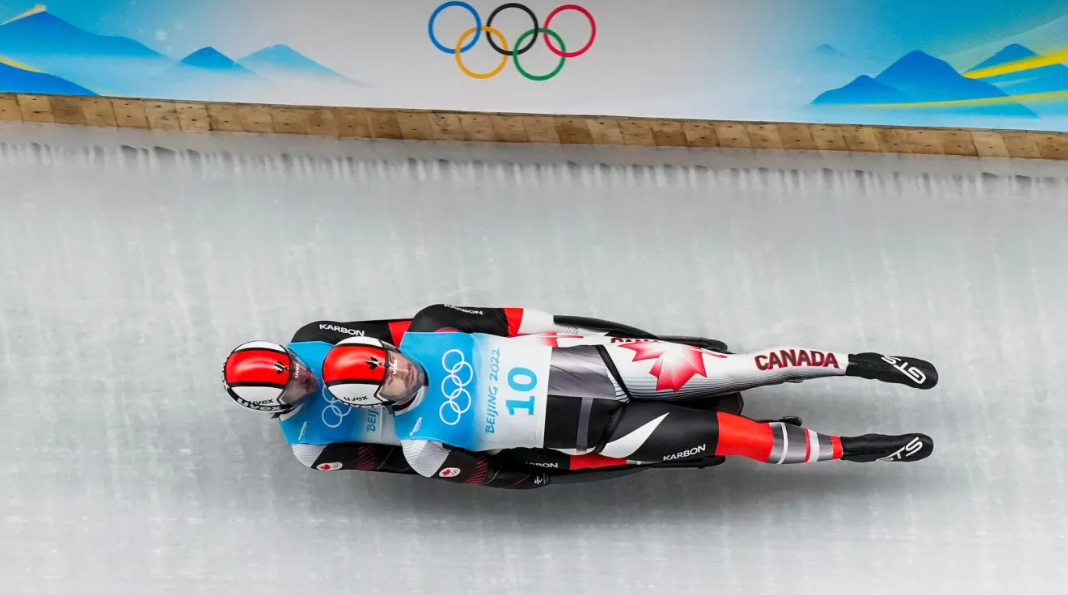
Image 1: Canadian athletes compete in the luge sporting event at the Beijing 2022 Winter Olympic Games (Image Courtesy of Mark Blinch/Canadian Olympic Committee)
As we’ve seen by now, friction and gravity play a huge role in many of the Olympic sports, including the infamous luge. However, are those the main two things athletes competing in the luge must take into consideration? Is there more to it?
To answer those questions: there’s more to the luge than just gravity and friction. In fact, two other main engineering fundamentals really help luge athletes get the fastest times. They are aerodynamics and weight distribution. Aerodynamics is obvious, but weight distribution?
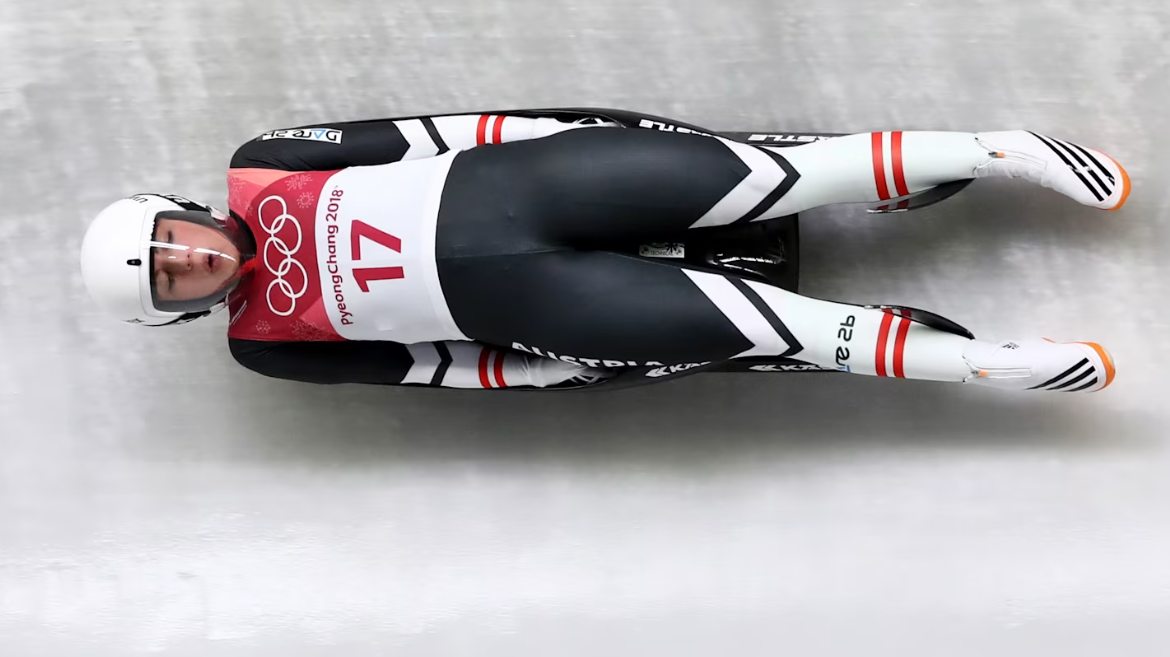
Image 2: An athlete competes for Austria in the luge during the 2018 PyeongChang Winter Olympics (Image Courtesy of Getty Images/International Olympic Committee)
Let’s start with the obvious one: aerodynamics. The athletes lay flat on their backs on the sled during the whole duration of the slide down the ice track. The only part of the luge athlete’s body that is not laying flat is the athlete’s own head so that the athlete can see what’s ahead on the track. Furthermore, to minimize aerodynamic drag, the athlete’s feet are pointed inward and forward as much as possible. This is what can help these athletes reach speeds of over 150 km/h (over 93 mph) during luge runs!
Now, the less obvious engineering fundamental being used: weight distribution. How does this work? The athletes must find a way to steer themselves on the ice track in order to stay as close to the center of the track as possible. This can be challenging since the sled the athletes use doesn’t have a steering mechanism. The solution: the athlete redistributing bodyweight to help turn the sled on the track. Athletes that are not as effective in this may add time to their slide, which could ultimately affect their overall ranking.
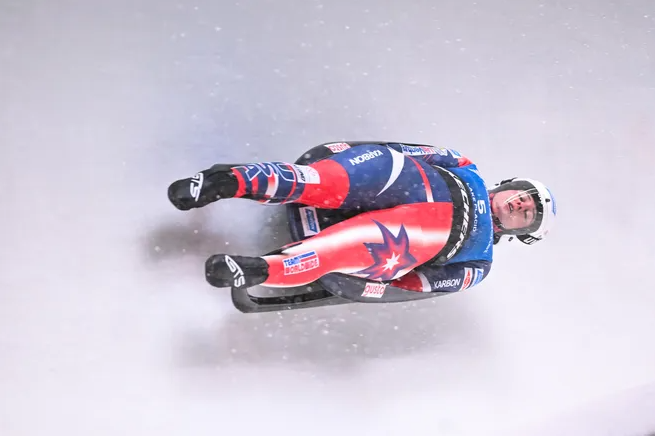
Image 3: Emily Fischnaller of Team USA competing in the luge at Mt Van Hoevenberg on December 19, 2025 in Lake Placid, New York, USA (Image Courtesy of USA TODAY/Gannett Satellite Information Network, LLC)
So, yes, friction and gravity do have a huge factor in the outcome of the luge, but more importantly, so do aerodynamics and weight distribution. Without these, the luge might look different than it does today.
Bottom Line: The luge focuses on aerodynamics and weight distribution and utilizes gravity and friction to help luge athletes clock the fastest times and fastest speeds down the ice track
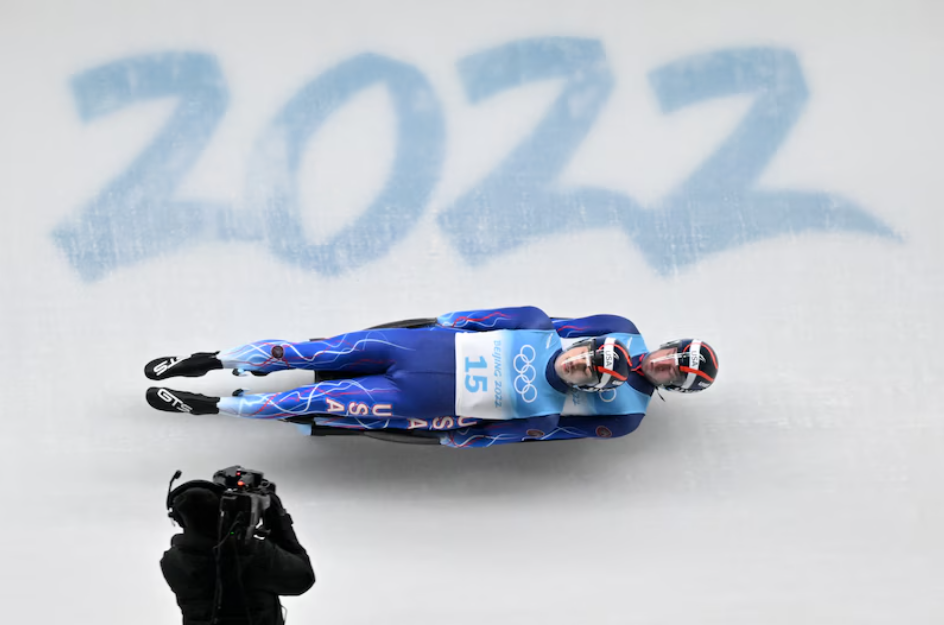
Image 4: Team USA athletes compete in the luge at the 2022 Beijing Winter Olympics (Image Courtesy of Advance Local Media, LLC/Daniel Mihailescu/AFP via Getty Images)
Let us know what topics you’d like us to tackle next in the comments below!
See more small doses of inspiration from Unifunful Today here
See our thought-provoking articles from Everyday Engineering here and investigate the engineering behind everyday items and places
See our articles from Engineering in Motion here to see how engineering moves us around the world
Missed last week? No worries, we got you! See what we covered last week and more in our weekly status reports here
Discover the vision and values guiding the Unifunful mission here
First time visiting Unifunful? Become familiar with the history and foundation Unifunful was built on here
Meet the contributors who make Unifunful possible here