

The Perfect Racetrack Formula
Short Answer: Formula 1 (F1) racetracks are designed and engineered to get the most out of each F1 car, from the handling characteristics to the acceleration and straight-line speed

Image 1: F1 racetracks are designed and engineered in such a way that they bring out the best performance in F1 racecars (Image Courtesy of British Broadcasting Corporation)
Much anticipation starts this time of year right before Formula 1 season begins. Many anticipate which racing drivers and racing teams will reign supreme. Furthermore, automaker racing organizations such as Scuderia Ferrari and Mercedes-AMG PETRONAS F1 essentially conduct arms races between each other in order to create the best F1 car possible. With over 800 million fans worldwide as of August 2025, automakers and racing drivers alike do their best to deliver the quickest lap times and earn the most first place finishes.
While the racing drivers, racing teams and the F1 cars themselves are important, perhaps another aspect of F1 racing that’s just as important—if not more so—are the F1 racetracks. These racetracks must be designed in such a way that brings about the most performance from each F1 car while also being able to seat tens of thousands of spectators, various racing teams, and supply media organizations with adequate space and infrastructure to broadcast the races to F1 fans around the world.
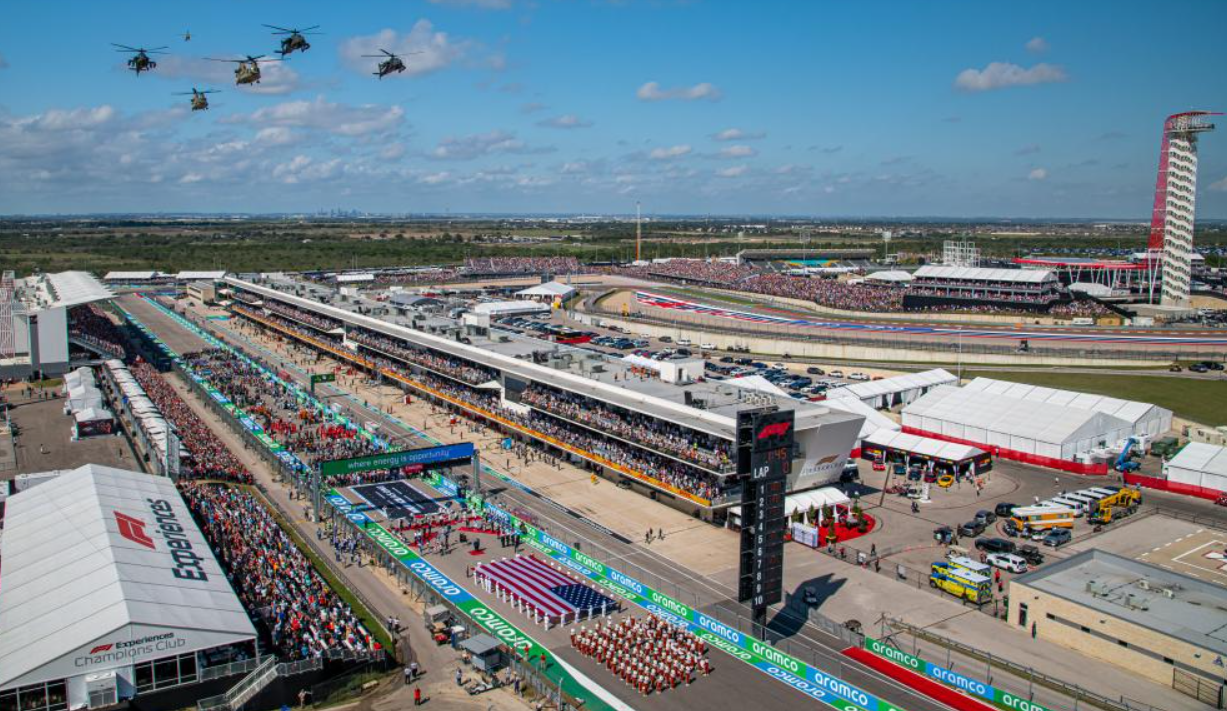
Image 2: Racetracks like the Circuit of the Americas near Austin, Texas are engineered to house the infrastructure necessary to house F1 cars and F1 teams along with seating for tens of thousands of spectators and media outlets (Image Courtesy of Visit Austin)
The racetrack itself uses engineering principles based on statics and dynamics. They are visible in places like the bends where sharp and banked turns challenge the handling characteristics of each F1 car by taking into account centripetal acceleration. The asphalt on the racetrack is specially designed to ensure the tires on the F1 cars have the greatest amount of static friction with the track, ensuring greater stability and traction during hard driving.
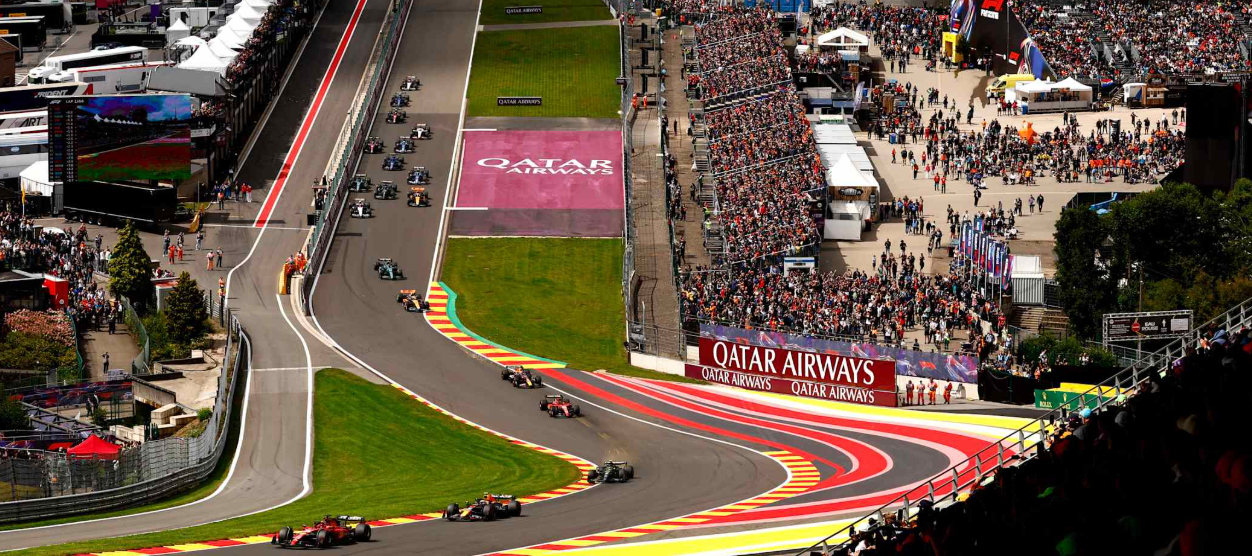
Image 3: Turns like this one at Eau Rouge in Spa-Francorchamps, Belgium demonstrate the use of statics and dynamics in F1 racetracks (Image Courtesy of Red Bull GmbH)
These racetracks must also rely on structural engineering to support all the spectators and equipment. Along with structural engineering, other civil engineering services are needed to ensure the racetrack houses the right amount of infrastructure for water, wastewater, and other utilities that allow spectators to enjoy the F1 race comfortably and safely. Without these services, F1 races would be much more uncomfortable for spectators and fans alike.
Bottom Line: F1 racetracks are instrumental in delivering the ultimate F1 racing experience by using various engineering principles all at once
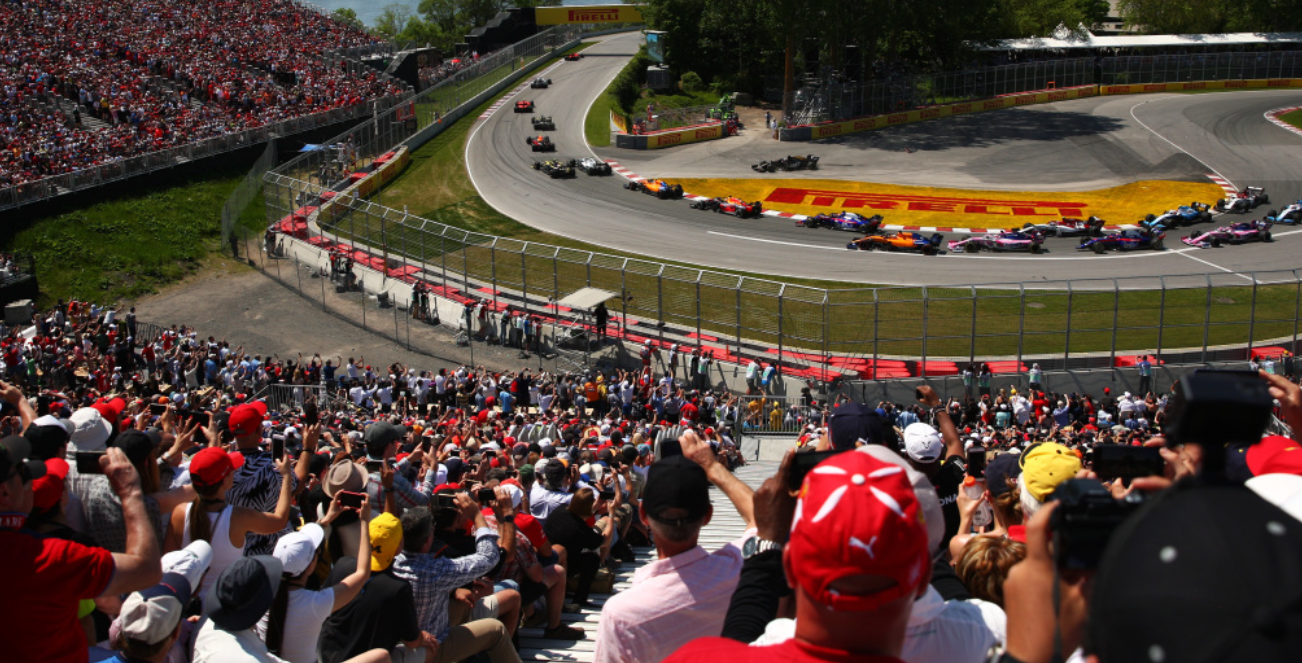
Image 4: Fans enjoy F1 races at well-engineered racetracks like the CIrcuit Gilles Villeneuve in Montreal, QC, CA (Image Courtesy of Quint International, LLC)
Let us know what topics you’d like us to tackle next in the comments below!
See more small doses of inspiration from Unifunful Today here
See our thought-provoking articles from Everyday Engineering here and investigate the engineering behind everyday items and places
See our articles from Engineering in Motion here to see how engineering moves us around the world
Missed last week? No worries, we got you! See what we covered last week and more in our weekly status reports here
Discover the vision and values guiding the Unifunful mission here
First time visiting Unifunful? Become familiar with the history and foundation Unifunful was built on here
Meet the contributors who make Unifunful possible here