

Taking Care of a Huge Appetite
Short Answer: Popular foods at the 2026 Houston Livestock Show and Rodeo—like cotton candy bacon on a stick and brisket burgers—utilize engineering principles related to heat transfer to cook the food and fluid dynamics to ensure the waste associated with all the cooking at the rodeo can be properly disposed of.
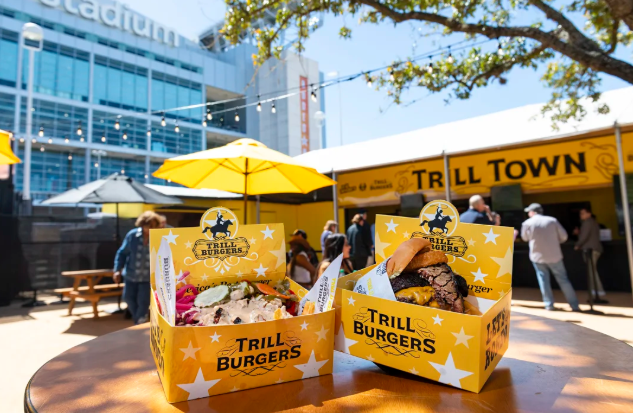
Image 1: Food like these brisket Trill Burgers from Trill Town use heat transfer concepts to ensure the food is safely cooked and stored (Image Courtesy of Anthony Rathbun/SagaCity Media)
During rodeo events at places like the Houston Livestock Show and Rodeo, people can get quite hungry walking around and seeing different events, especially if they’re waiting all day until the concert starts. With an event that can draw over 2 million people, it’s important to have enough food to feed everyone while being safe to eat and enjoy. How does each food vendor ensure the food is cooked properly? How can NRG Stadium—the site that hosts the Houston Livestock Show and Rodeo—ensure that all the waste from these vendors is properly managed and contained? The answer to both these questions lies in two engineering principles: heat transfer and fluid dynamics, respectively.
Heat transfer is a study of how heat moves through a material like brisket. When the heat moves through the brisket via conduction, the temperature inside the brisket rises, causing the meat to cook. When the temperature inside the brisket reaches an appropriate temperature—usually around 160° Fahrenheit—then the meat typically becomes safe for consumption. Furthermore, in an attempt to keep certain foods cool and prevent sudden spoilage, some foods are stored in a refrigerator to keep the food cold long enough to prevent certain bacteria from forming within the food that can cause food poisoning.
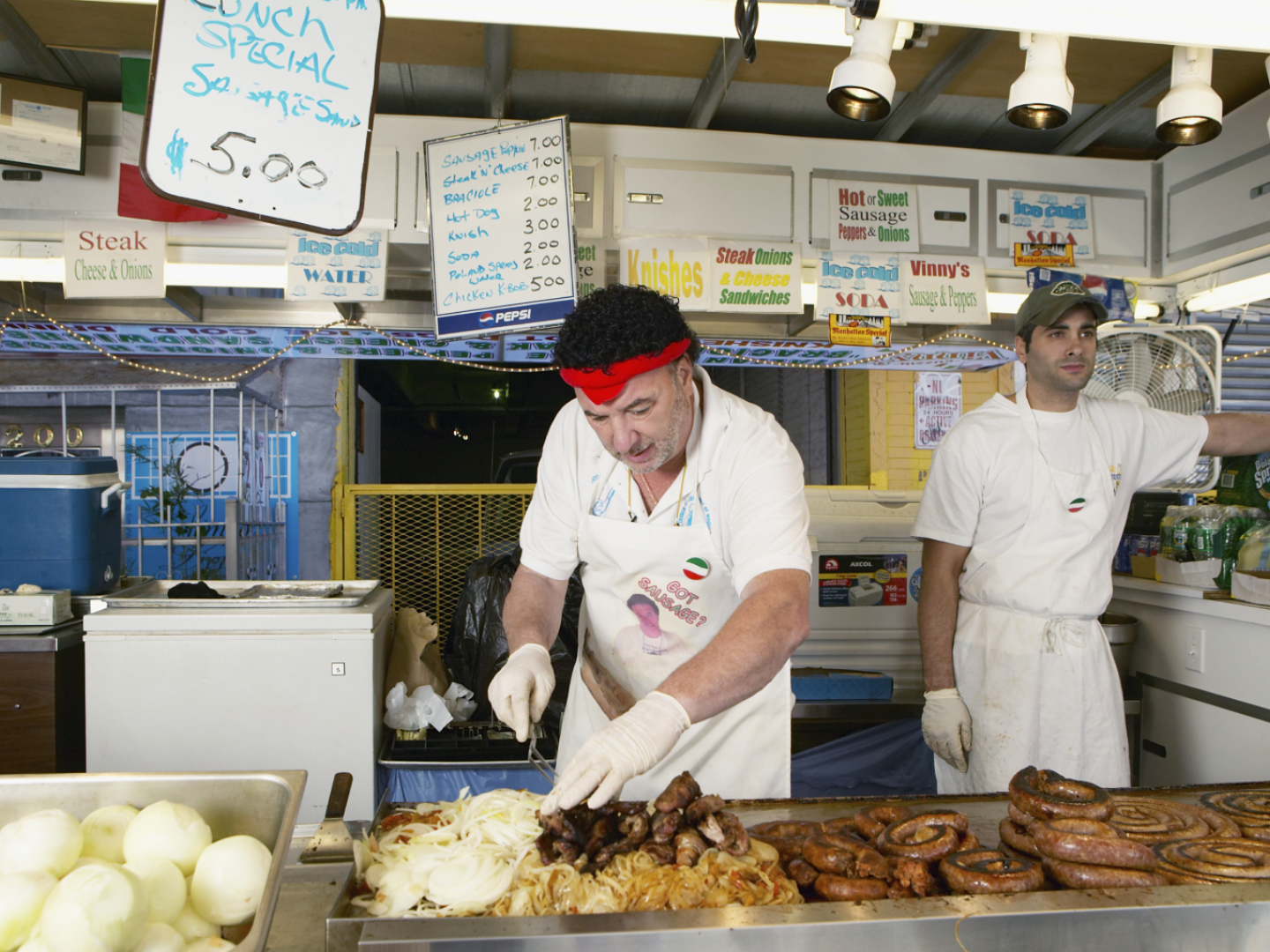
Image 2: Cooks working inside food tents and dedicated cooking spaces for vendors at events like the Houston Livestock Show and Rodeo use heat transfer concepts to ensure food is safely cooked and presented to consumers
Furthermore, waste products from food must be properly disposed of to ensure the area is clean and safe for both visitors and workers. This means proper drainage from these vending areas is of utmost importance. Understanding how grease from these foods can impact drainage and wastewater flow is important to take into consideration when designing wastewater infrastructure for these areas.
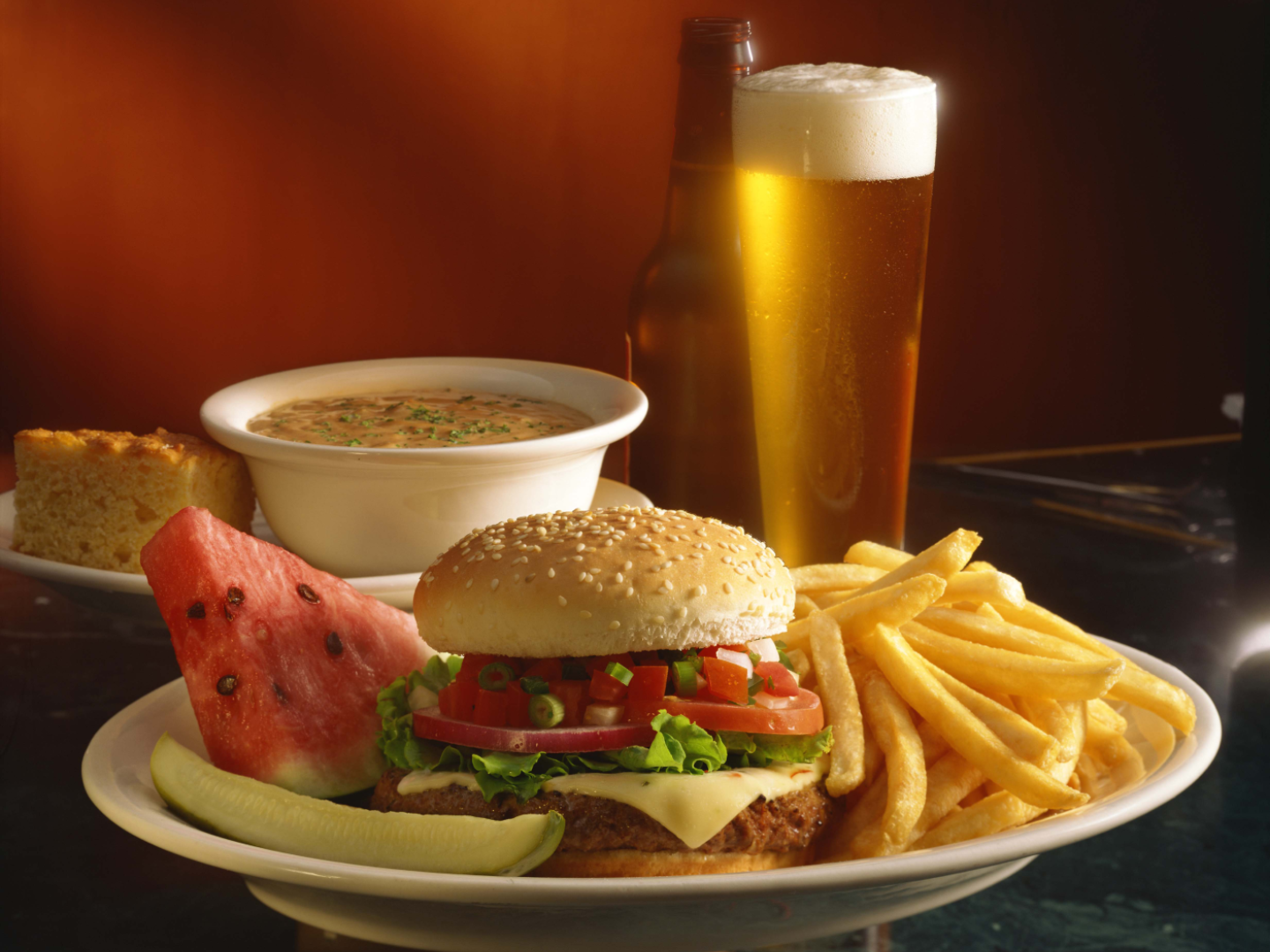
Image 3: Understanding how preparing delicious food at events like the Houston Livestock Show and Rodeo can impact wastewater flow is important when designing complimentary wastewater infrastructure
Bottom Line: The food that you enjoy at events like the Houston Livestock Show and Rodeo depend on engineering principles to ensure the food you eat and the spaces you enjoy the food in are sanitary and safe for everyone.
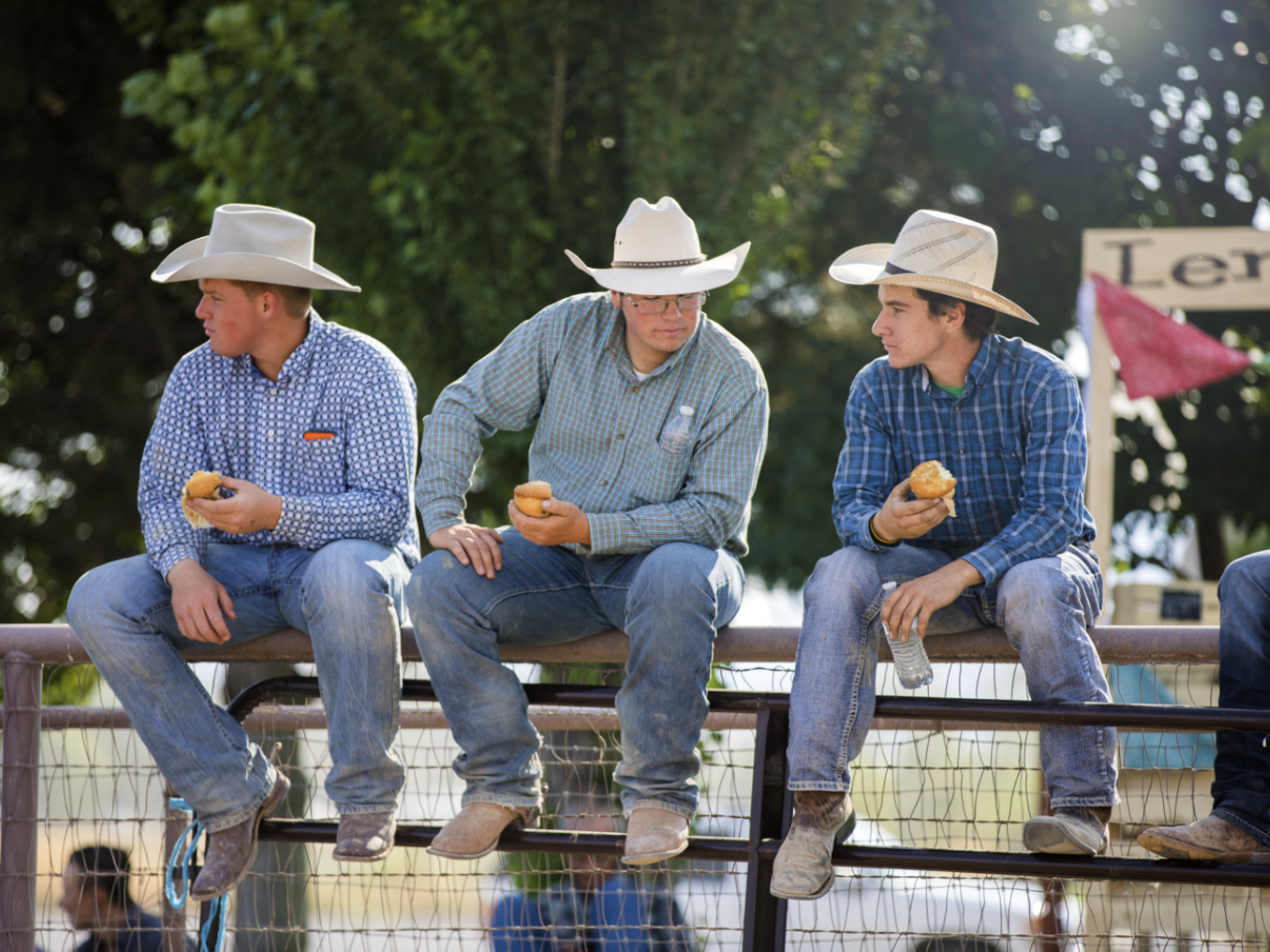
Image 4: Good food at events like the Houston Livestock Show and Rodeo play a big role in making these events so memorable
Let us know what topics you’d like us to tackle next in the comments below!
See more small doses of inspiration from Unifunful Today here
See our thought-provoking articles from Everyday Engineering here and investigate the engineering behind everyday items and places
See our articles from Engineering in Motion here to see how engineering moves us around the world
Missed last week? No worries, we got you! See what we covered last week and more in our weekly status reports here
Discover the vision and values guiding the Unifunful mission here
First time visiting Unifunful? Become familiar with the history and foundation Unifunful was built on here
Meet the contributors who make Unifunful possible here