

Expanding Until it Pops
Short Answer: Water pipes can burst in the winter because frozen water can expand and put excess stress on the water pipes until they break or rupture.
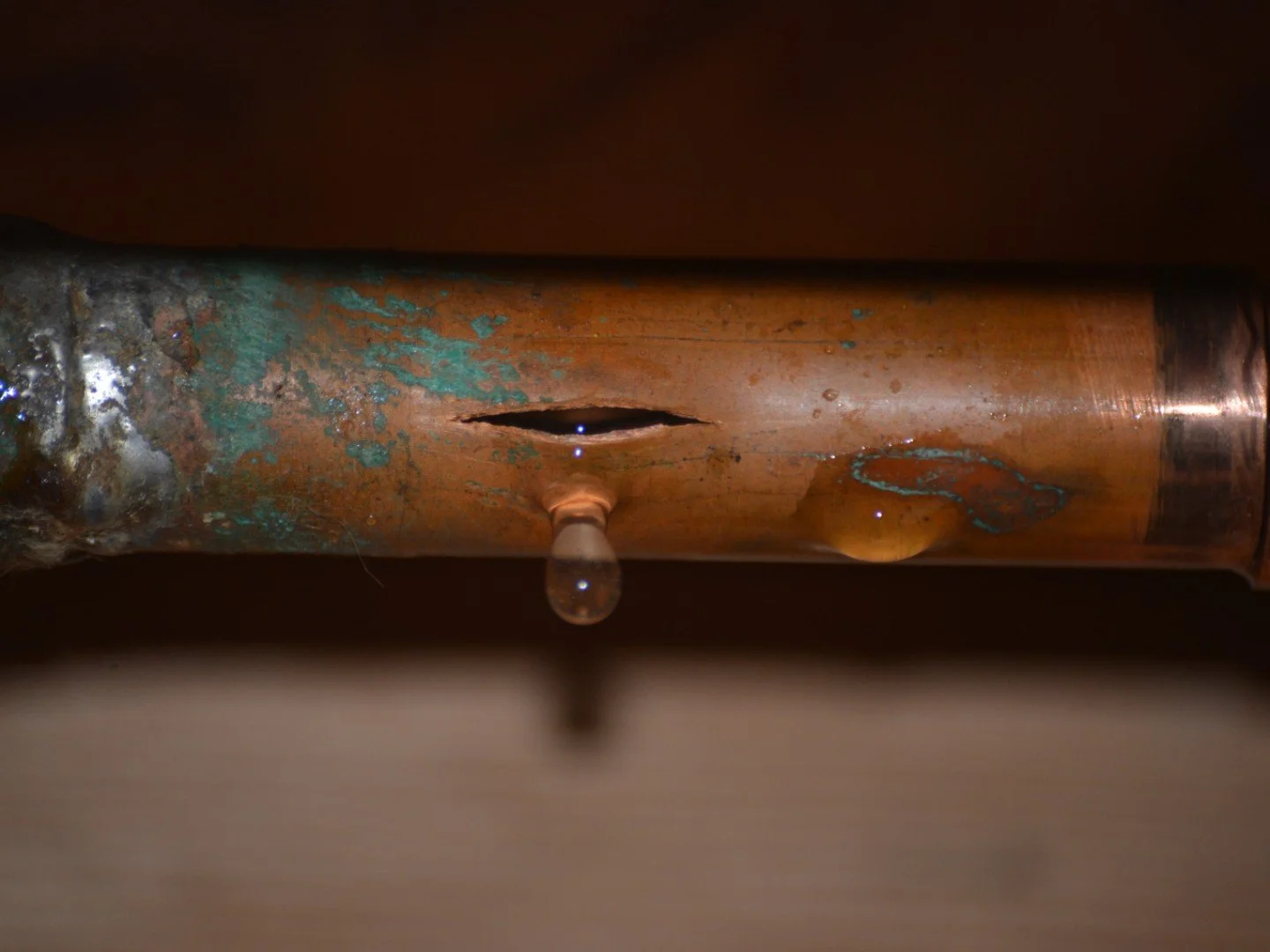
Image 1: Burst water pipe
Yes, it’s true: water pipes can burst in the winter when water freezes. It’s interesting because other substances that turn to solid compress and bring their molecules closer together. Water, however, has a very interesting property when it freezes. The way water molecules are made and interact with each other cause water molecules to actually expand when it turns to a solid.
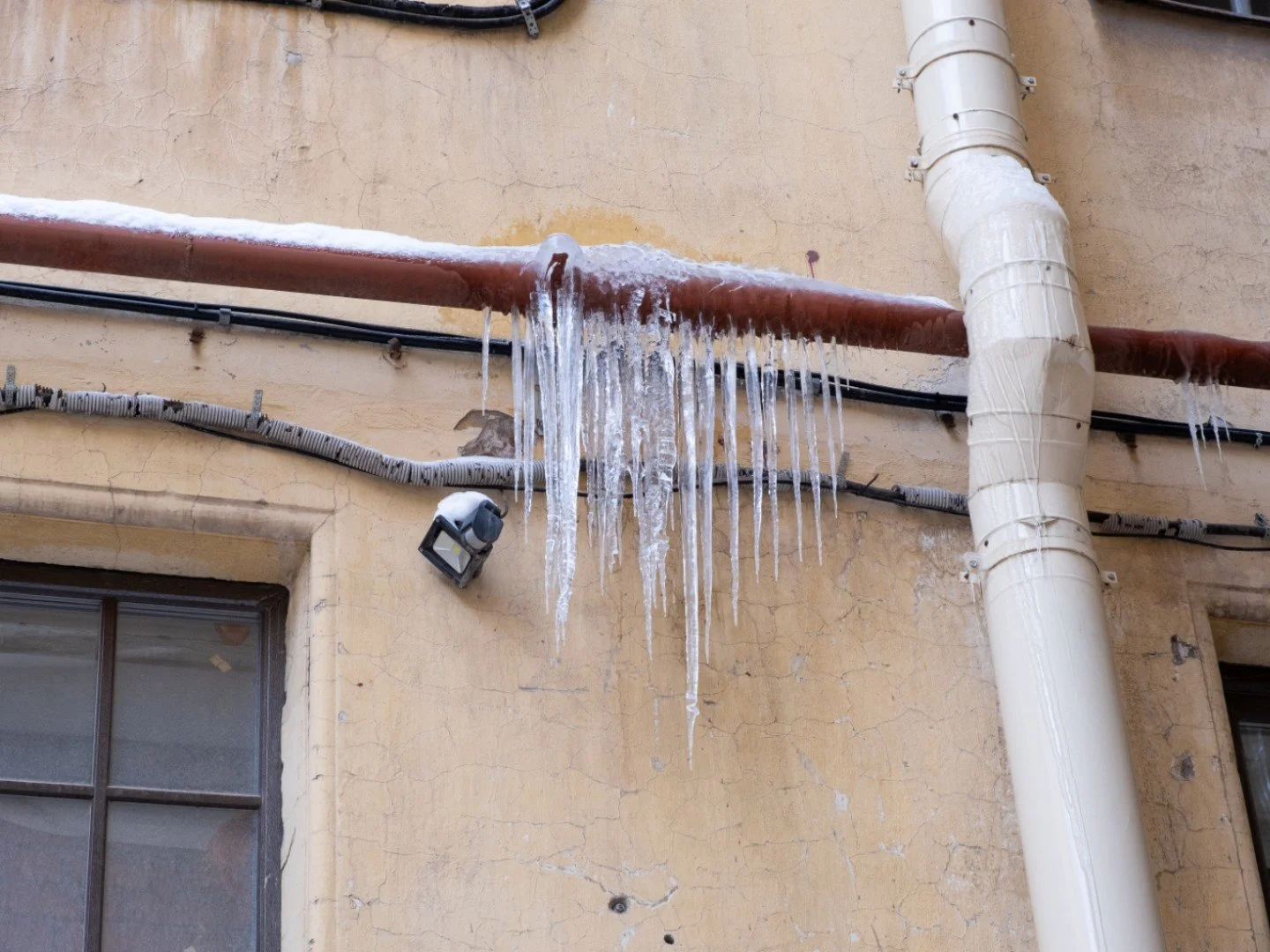
Image 2: Frozen water pipe outside a building
When this happens inside the water pipe, pressure increases inside the pipe and puts greater stress on the walls of the water pipes. Here are a couple formulas that can help explain this better:
(𝜎_t)_avg = (p_i * r_i)/(r_o - r_i)
(𝜎t)avg: average stress on the pipe wall, measured in pounds per square inch (psi) or
Pascals (Pa)
p_i : internal pipe pressure, measured in pounds per square inch (psi) or Pascals (Pa)
r_i: internal pipe radius, measured in inches (in) or centimeters (cm)
r_o: external pipe radius, measured in inches (in) or centimeters (cm)
(𝜎_t)_max: (p_i * (d_i + t))/(2 * t)
(𝜎t)max: maximum stress on the pipe wall, measured in pounds per square inch (psi) or
Pascals (Pa)
p_i : internal pipe pressure, measured in pounds per square inch (psi) or Pascals (Pa)
d_i: internal diameter of pipe, measured in inches (in) or centimeters (cm)
t: thickness of pipe wall, measured in inches (in) or centimeters (cm)
These two formulas—(𝜎_t)_avg and (𝜎_t)_max—can be used to determine how stress, or how much pressure can be applied to a particular area, the water pipe can take. Since the water pipes in your home are usually thin, copper metal pipes, it makes sense why water can burst if the ice expands and causes too much stress on them. Here’s a list of materials from the Home Depot that water pipes can be made from.
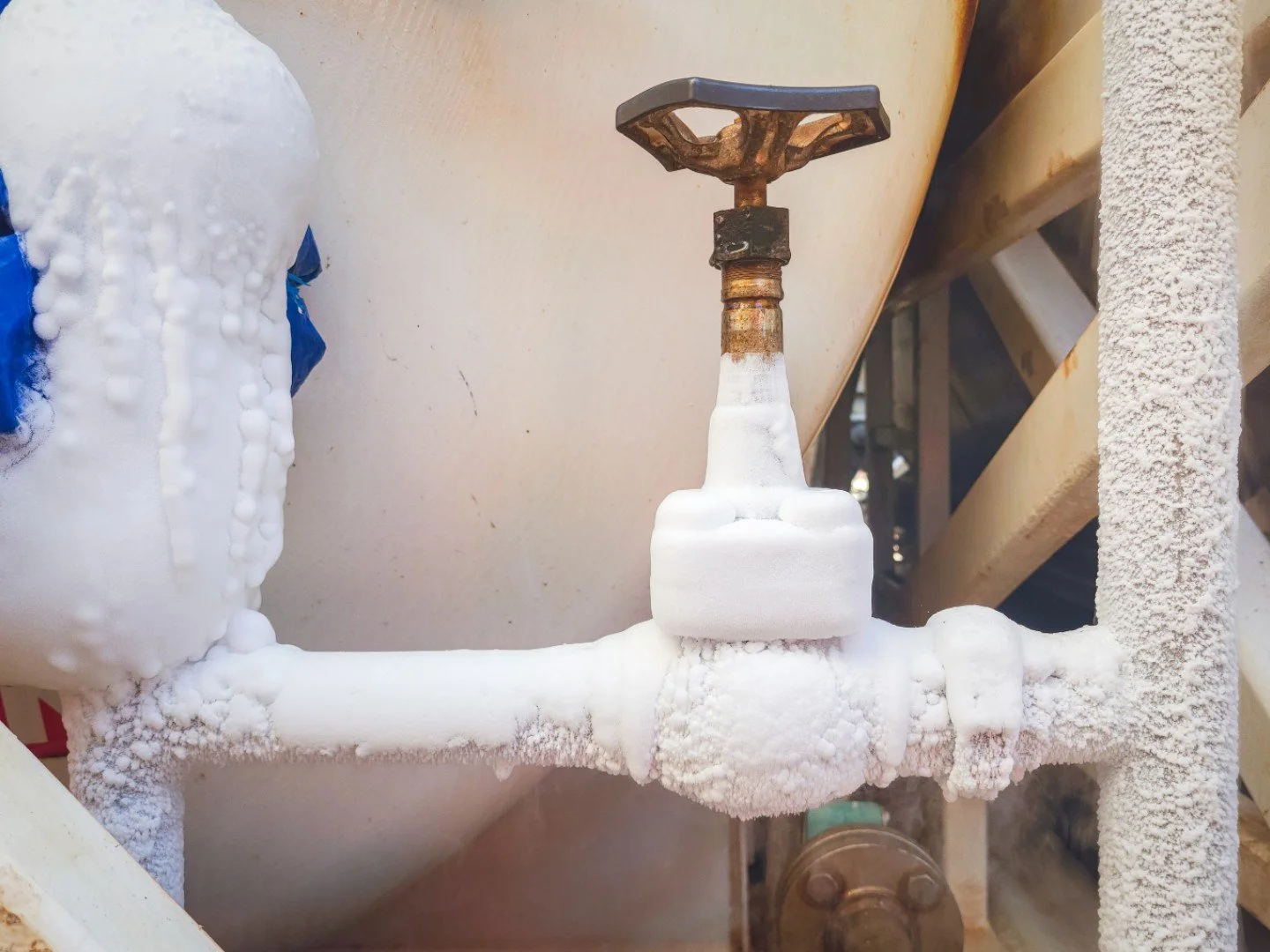
Image 3: Frozen water valve
This is also why experts recommend having your home’s outdoor water pipes and hose bibbs wrapped with thick styrofoam. This helps keep the water from freezing on the outside. Not letting your home get too cold on the inside—keeping it at least 68°F or 20°C—and letting the water drip just a little can also help prevent the water in your home from being frozen, saving you money and time in costly water damage repairs.
Bottom Line: Make sure your home is insulated and warm enough during the winter months to ensure the water pipes in your home don’t bust
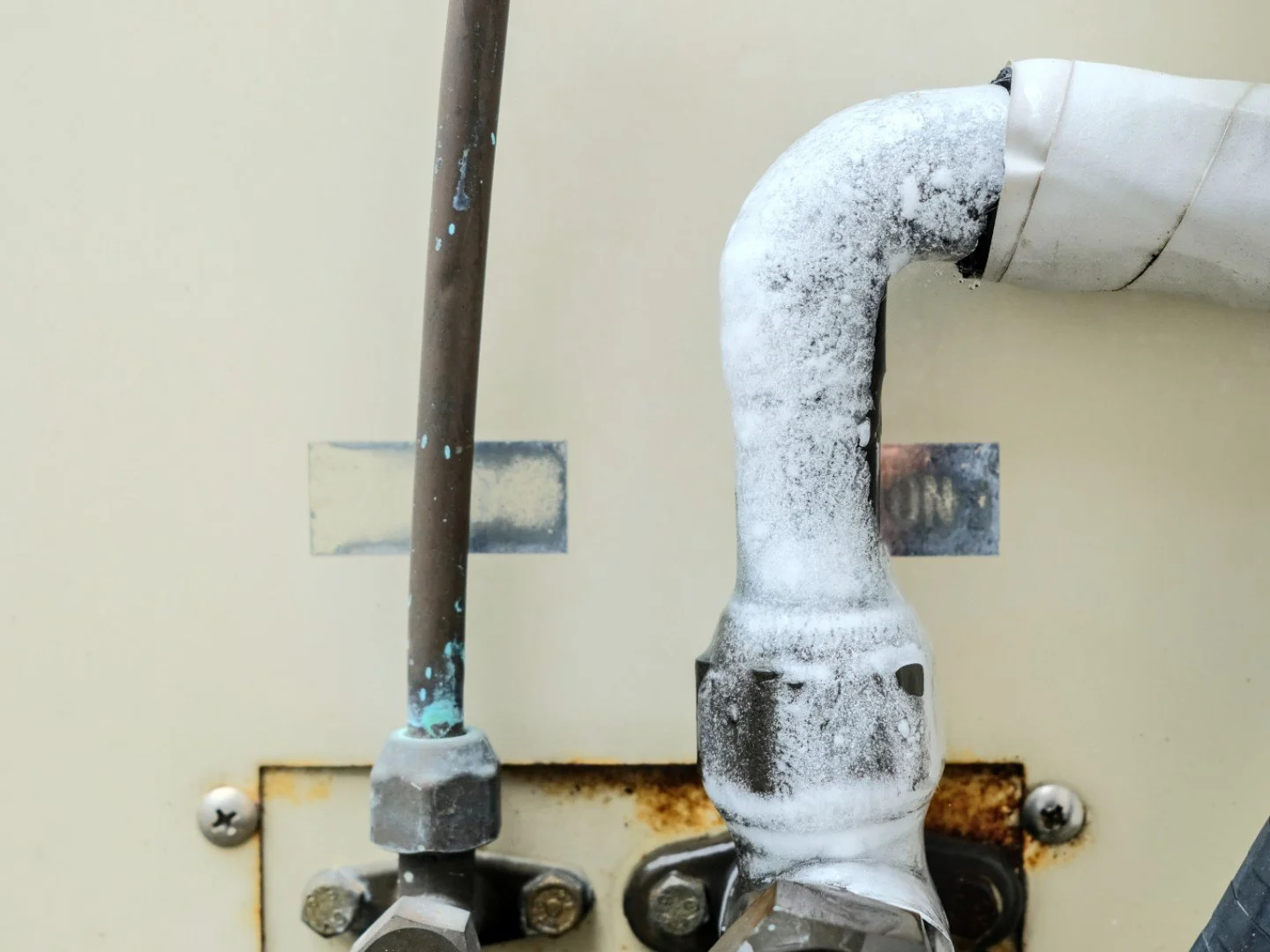
Image 4: Frozen water pipe with insulation
Let us know what topics you’d like us to tackle next in the comments below!
See more small doses of inspiration from Unifunful Today here
See our thought-provoking articles from Everyday Engineering here and investigate the engineering behind everyday items and places
See our articles from Engineering in Motion here to see how engineering moves us around the world
Missed last week? No worries, we got you! See what we covered last week and more in our weekly status reports here
Discover the vision and values guiding the Unifunful mission here
First time visiting Unifunful? Become familiar with the history and foundation Unifunful was built on here
Meet the contributors who make Unifunful possible here