

Ensuring Everything is Under Control
Short Answer: The engineers being celebrated this National Engineers Week work within guidelines and regulations set by agencies such as the United States Environmental Protection Agency (EPA) and the U.S. Department of Transportation (DOT) that ensure public safety and well-being.

Image 1: Engineers rely on standards set forth by DOT to construct highways like this one
In modern society, most of us rely on infrastructure like highways, water and wastewater services to help us function. Furthermore, without these services, many of our communities would be difficult or inhospitable to live in. But, who ensures that all this infrastructure is safe and ready to be used by everyday people? This is the primary responsibility of regulatory agencies like the EPA and DOT.
These regulatory agencies set standards and regulations based on real-world scenarios and situations. Furthermore, these standards incorporate many engineering principles that ensure the infrastructure that’s being designed, engineered and constructed under these regulations are safe for public use and can last for many years to come.
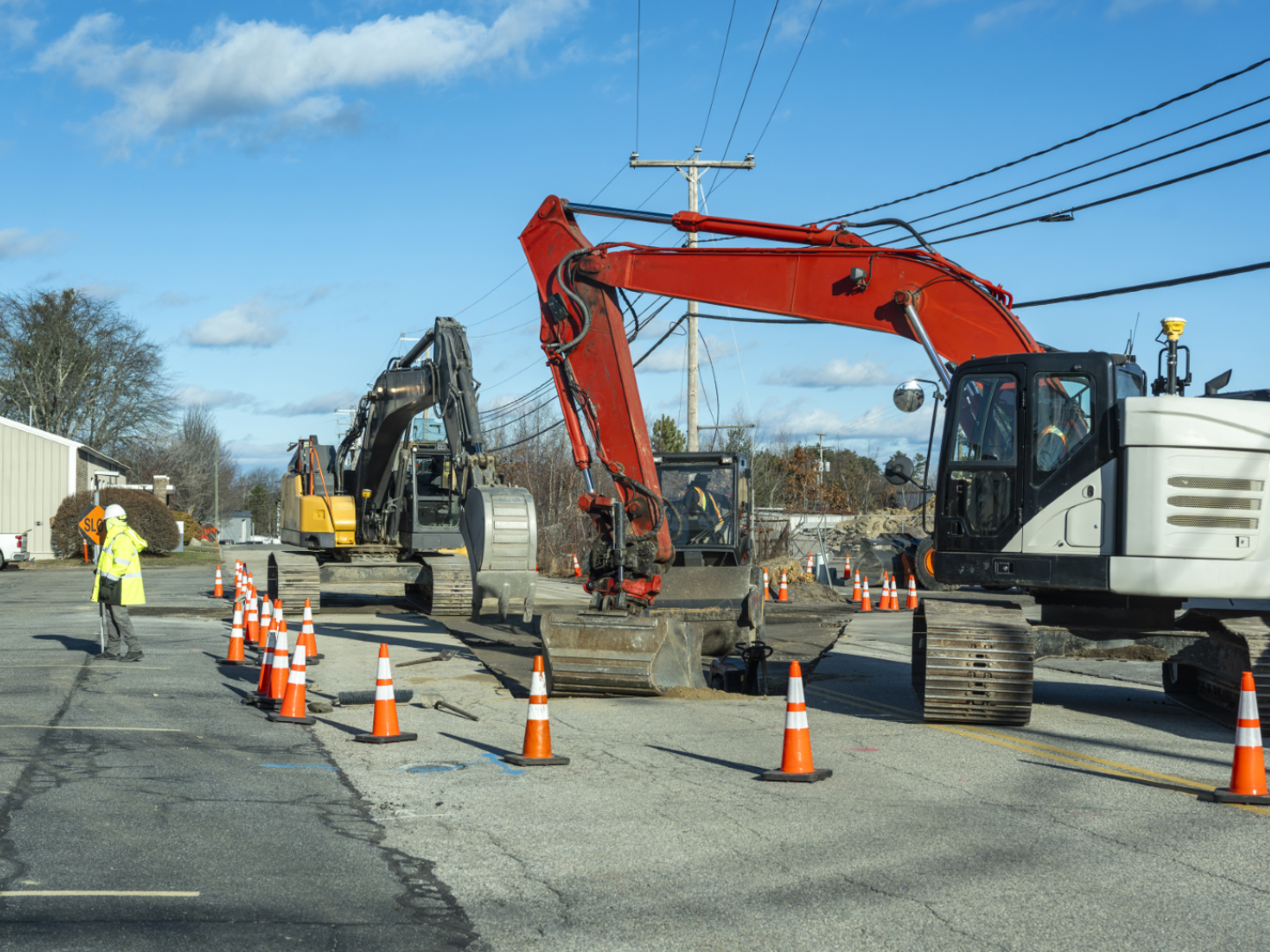
Image 2: Construction crews rely on engineering drawings and plans that strictly adhere to regulatory standards
To ensure these standards are met, engineering firms hire candidates with appropriate education, experience and licensure. These engineers use the latest engineering software, knowledge, and internal quality control measures to ensure the deliverables can be used by construction crews building the infrastructure and also align with regulatory standards and best practices. To ensure these standards are met with the highest level of certainty in each deliverable, a Professional Engineer (PE) will apply their seal to the drawings demonstrating the level of responsibility and care which went into creating these drawings and plan sets.

Image 3: Standards set by regulatory agencies help ensure our communities are using reliable infrastructure to ensure communities attract and retain commerce and that our communities are environmentally sustainable
If these standards are met and upheld from when the design and engineering phase of a project was initiated to when construction of the project is completed, the newly constructed or refurbished infrastructure should last for many years and operate in a safe and reliable manner. This is critical when infrastructure containing water, wastewater, transportation vehicles, and other necessary utilities are placed in designated easements or areas within a community.
Bottom Line: Engineers are responsible for not only helping regulatory agencies set standards that protect the well-being and safety of everyone, but also to ensure these standards are met from the beginning stages of a project to when construction of a project is completed.
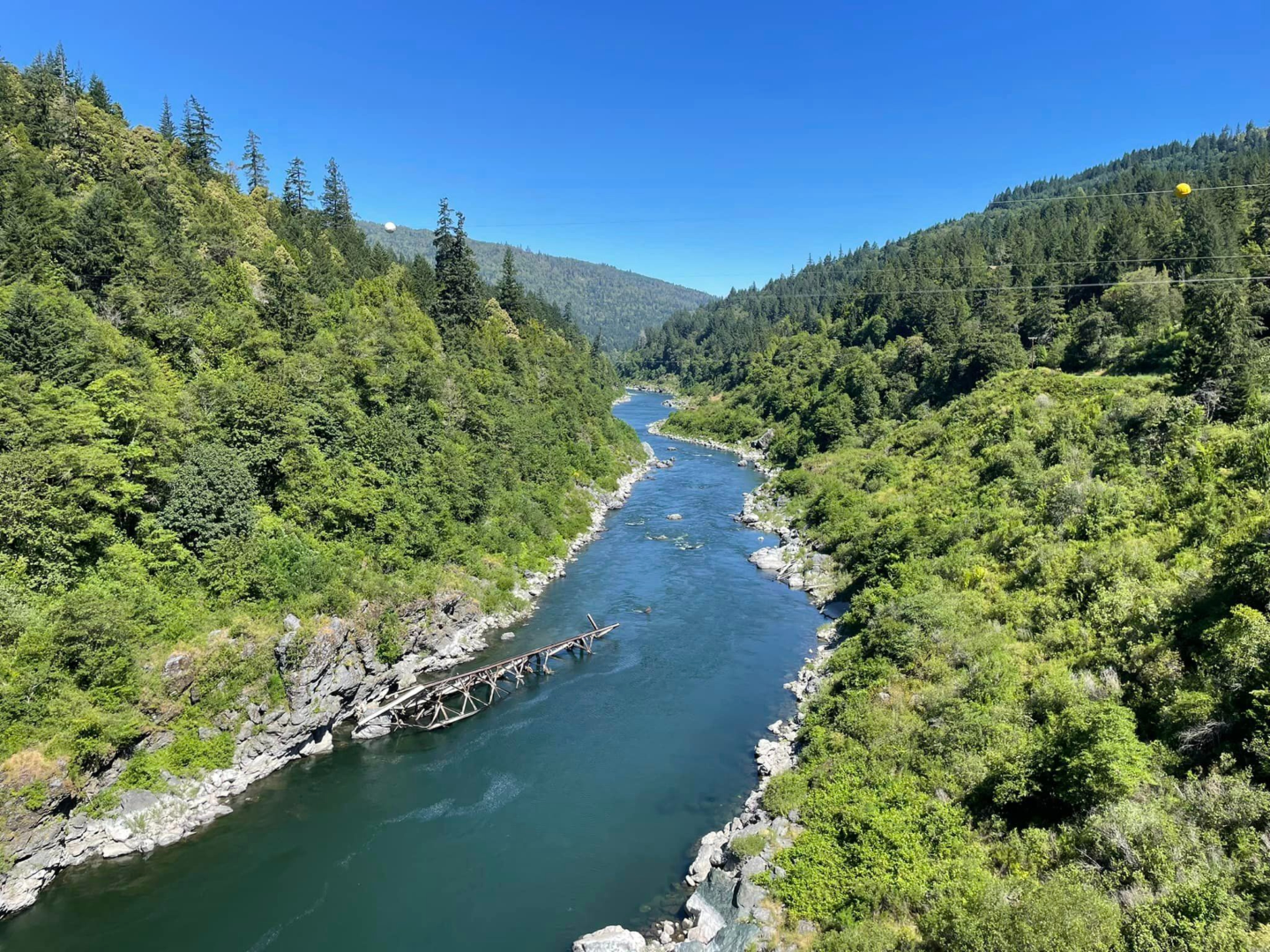
Image 4: By ensuring regulatory standards are met, the forests and rivers surrounding our communities that we love so much are better protected and preserved for generations to come
Let us know what topics you’d like us to tackle next in the comments below!
See more small doses of inspiration from Unifunful Today here
See our thought-provoking articles from Everyday Engineering here and investigate the engineering behind everyday items and places
See our articles from Engineering in Motion here to see how engineering moves us around the world
Missed last week? No worries, we got you! See what we covered last week and more in our weekly status reports here
Discover the vision and values guiding the Unifunful mission here
First time visiting Unifunful? Become familiar with the history and foundation Unifunful was built on here
Meet the contributors who make Unifunful possible here