

Why We’re Dry and Cold to the Bone
Short Answer: The cold air many of us experience in the winter makes our skin drier the same way hot air in a desert does: by the dry air sucking out the skin’s moisture.

Image 1: A person’s hands bracing the dry and cold air
It’s a fact many of us deal with on a daily basis in the winter time: drying skin. It causes some of us to have cracked skin on our hands and chapped lips. It also causes extreme discomfort when we have to walk through it and feel it scrape across our cheeks. But, what causes this and how can we best prepare our skins for it?
It's all up in the air, honestly. The cold winter air is either dry or has very little moisture. This is where another concept in engineering—materials transfer—can help us understand why this is happening.
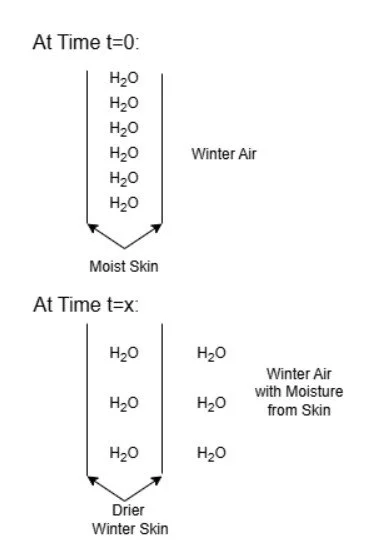
Figure 1: Illustration showing how moist peoples’ skin is the instant they step into the dry and cold winter air (At Time t=0) and how much moisture is left in their skin after people have been in the dry and cold winter air for some time (At Time t=x)
Similar to the heat transfer concepts presented in Unifunful’s Staying Warm on the Inside and How Homes Help Us Beat the Heat, the concentration of water molecules needed to keep our skin nice and moist annoyingly moves from higher concentration (our skin) to lower concentration (dry winter air). Drying skin can also be experienced in the deserts simply due to the low concentration of moisture in the air, or low humidity.
Thankfully, there is a way we can keep our skin moist during these cold winter days. Thanks to companies such as CeraVe, there are skin lotions that can keep our skin nice and moist, even when we’re on the go. Another way to keep our skin nice and moist is to limit direct exposure to the dry winter air and also make sure our heaters are circulating moisturized heat with the right level of humidity. This is where a psychrometric chart showing all the different temperatures and humidity levels can really help out!
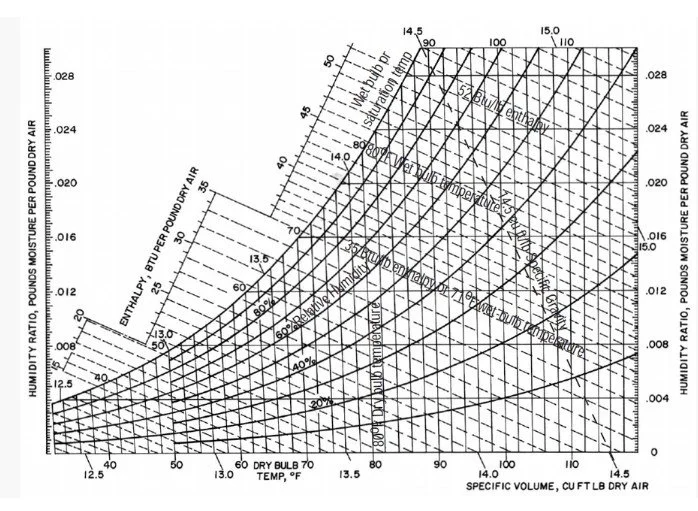
Figure 2: An example of a psychrometric chart showing different humidity levels at different temperatures (Image Courtesy of College of Agricultural Sciences, The Pennsylvania State University)
Bottom Line: While the dry and cold winter air will make your skin dry and uncomfortable, keeping lotion on stand-by and staying in warm spaces with appropriate humidity levels can significantly reduce the occurrence of dry skin in the winter time.
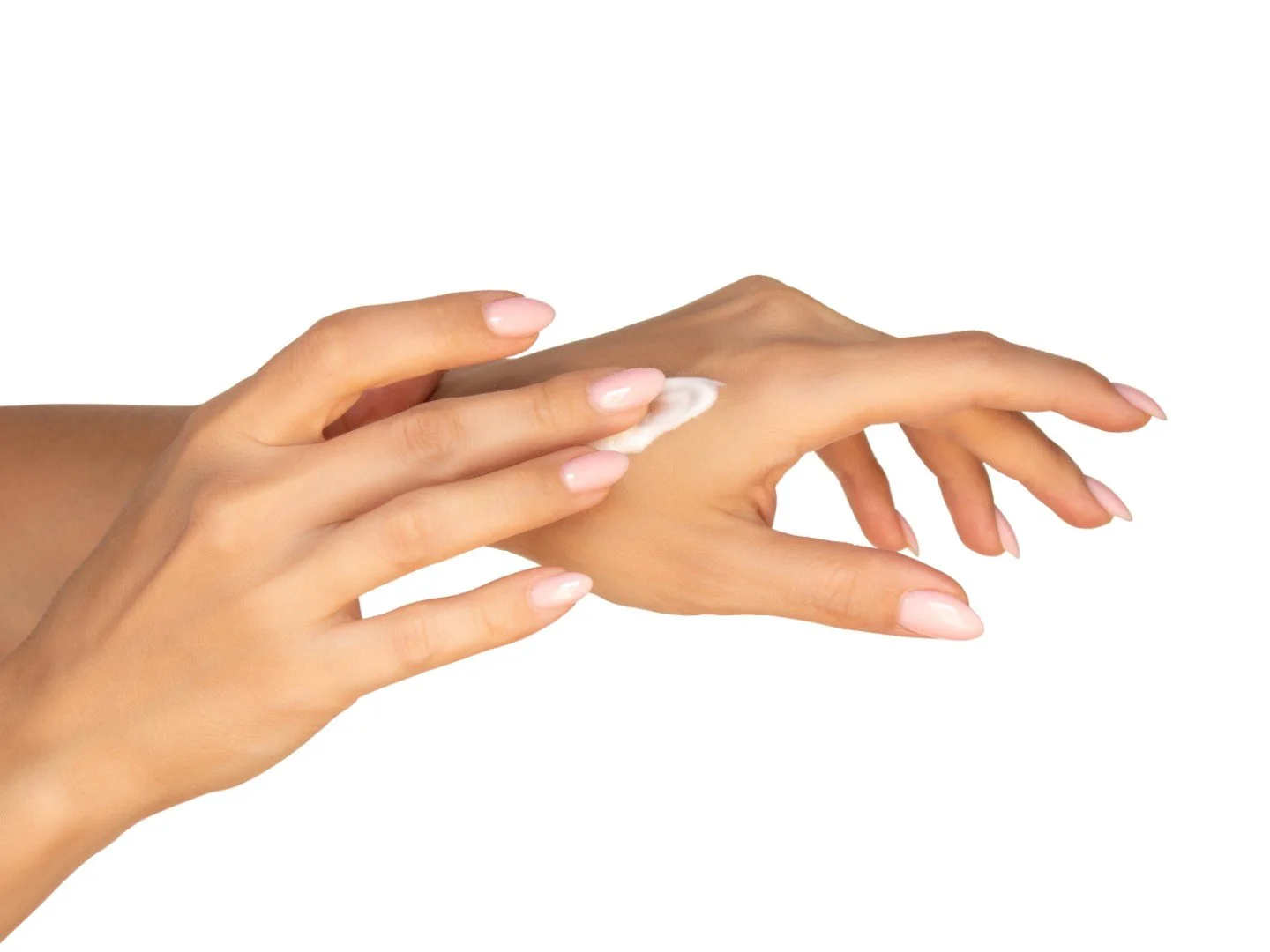
Image 2: Using adequate amounts of lotion and staying in spaces with adequate moisture can help reduce the onset of dry skin during the winter.
Let us know what topics you’d like us to tackle next in the comments below!
See more small doses of inspiration from Unifunful Today here
See our thought-provoking articles from Everyday Engineering here and investigate the engineering behind everyday items and places
See our articles from Engineering in Motion here to see how engineering moves us around the world
Missed last week? No worries, we got you! See what we covered last week and more in our weekly status reports here
Discover the vision and values guiding the Unifunful mission here
First time visiting Unifunful? Become familiar with the history and foundation Unifunful was built on here
Meet the contributors who make Unifunful possible here