

Warming Up to Face the Cold
How good of an idea is it to warm up your car in the cold before driving it? Actually, the results are a mixed bag. Let’s dig in to see what some say and see where the truth really lies.
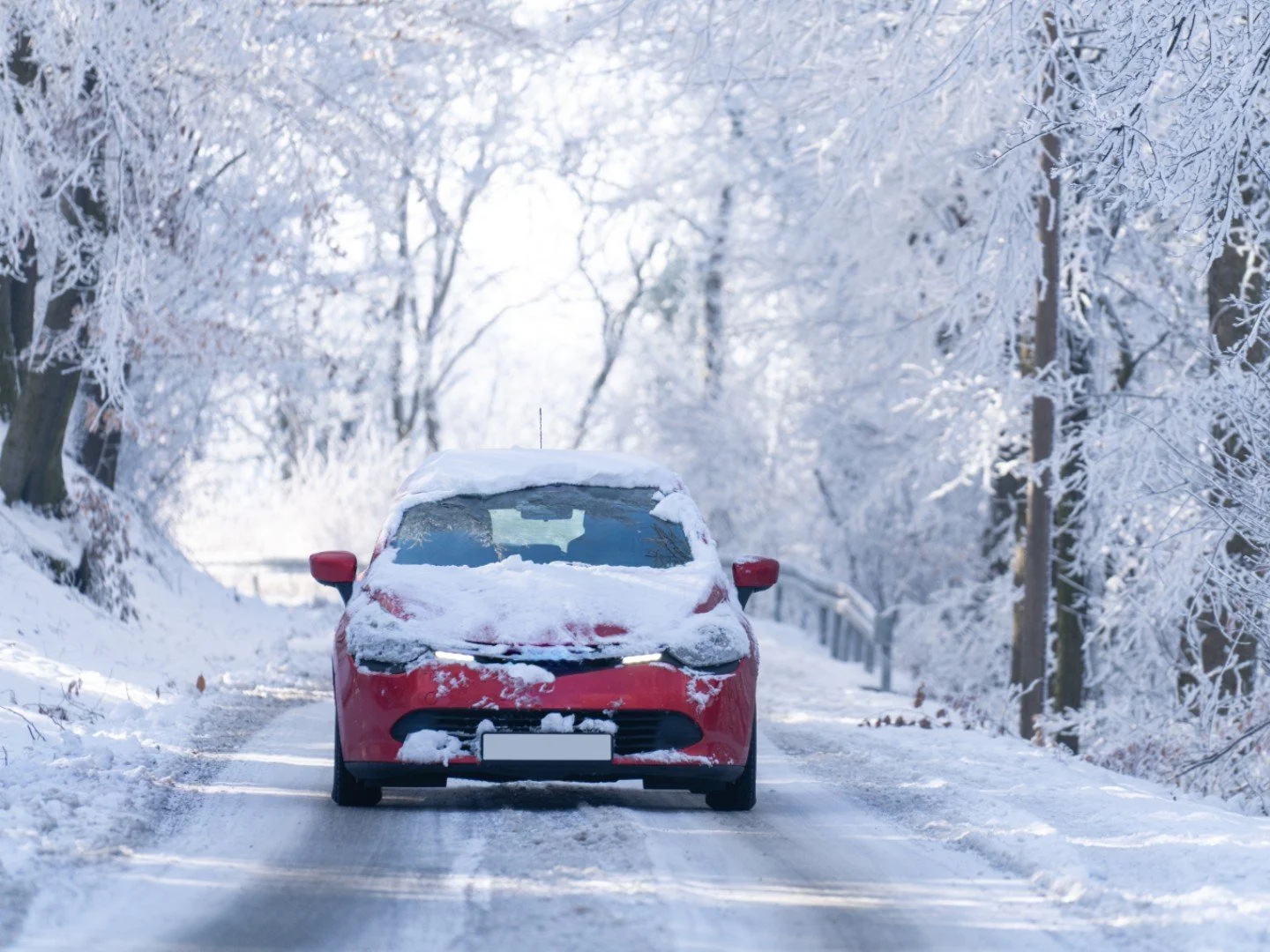
Image 1: A car driving through snow and ice
Sources such as Consumer Reports and this Honda dealer say it’s a good idea that can increase engine performance and longevity. Others such as Southern Living and this Toyota dealer suggest it can cause more wear and tear on your engine. So, what is it? Is it good or bad? Let’s break it down from an engineering perspective and see what you should and shouldn’t do.
One thing science tells us is that the warmer the liquid, the easier it is to move. That’s because the molecules inside the liquid have more energy when it’s warm rather than when it’s cold. This is also true for liquids like engine oil and transmission fluid, both of which are needed to lubricate the car’s engine and transmission.

Image 2: Engine oil lubricating engine parts
Another thing to keep in mind is that cars idle at higher revolutions per minute (RPMs) right after they start compared to after a few minutes of operation. Science and engineering again tell us that the more work a machine does—including a car’s engine and transmission—the more wear and tear it’ll experience. From this alone, it seems that it isn’t a bad idea to let your car warm up at idle for a little while.
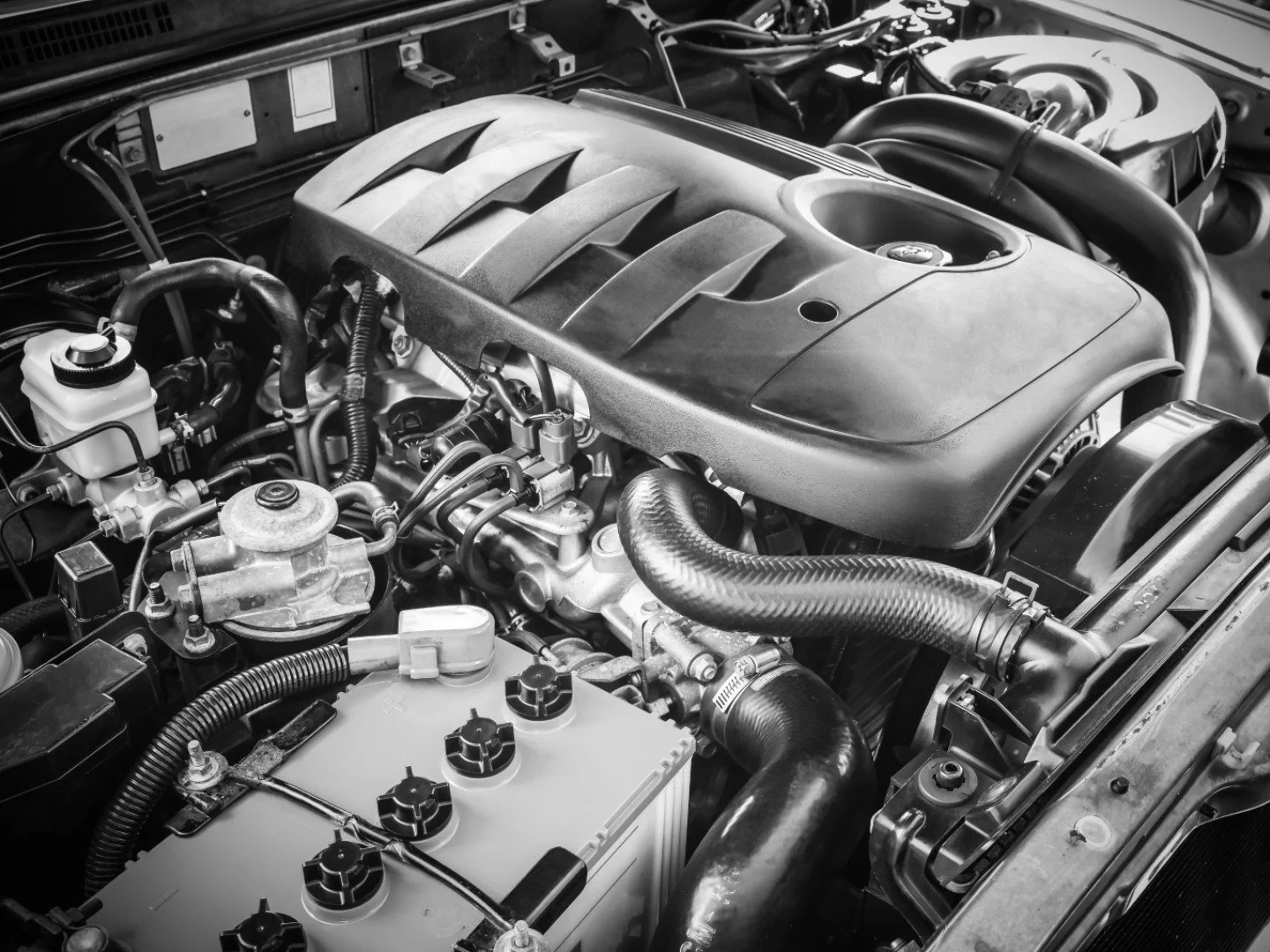
Image 3: A typical car engine
One more thing that warming up the engine can do is warm up other components of your car, such as the differential and driveshafts, and eventually the brakes once the vehicle is driven. This’ll help the car drive better since the brakes are warmer and the differential fluid is warm. Just like the engine and transmission, it’s important to operate these at optimal temperature to help extend your car’s lifespan.
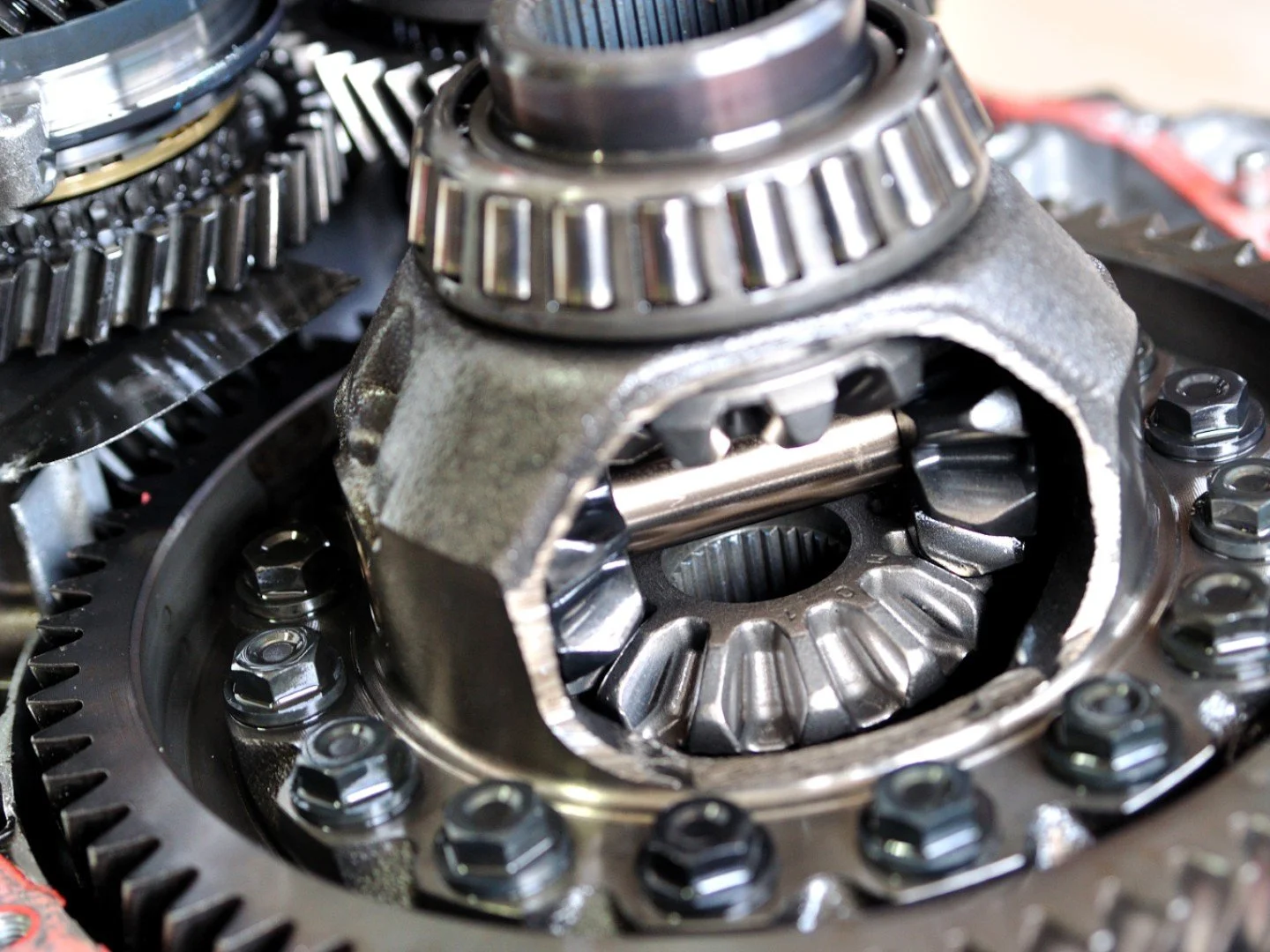
Image 4: Typical car differential
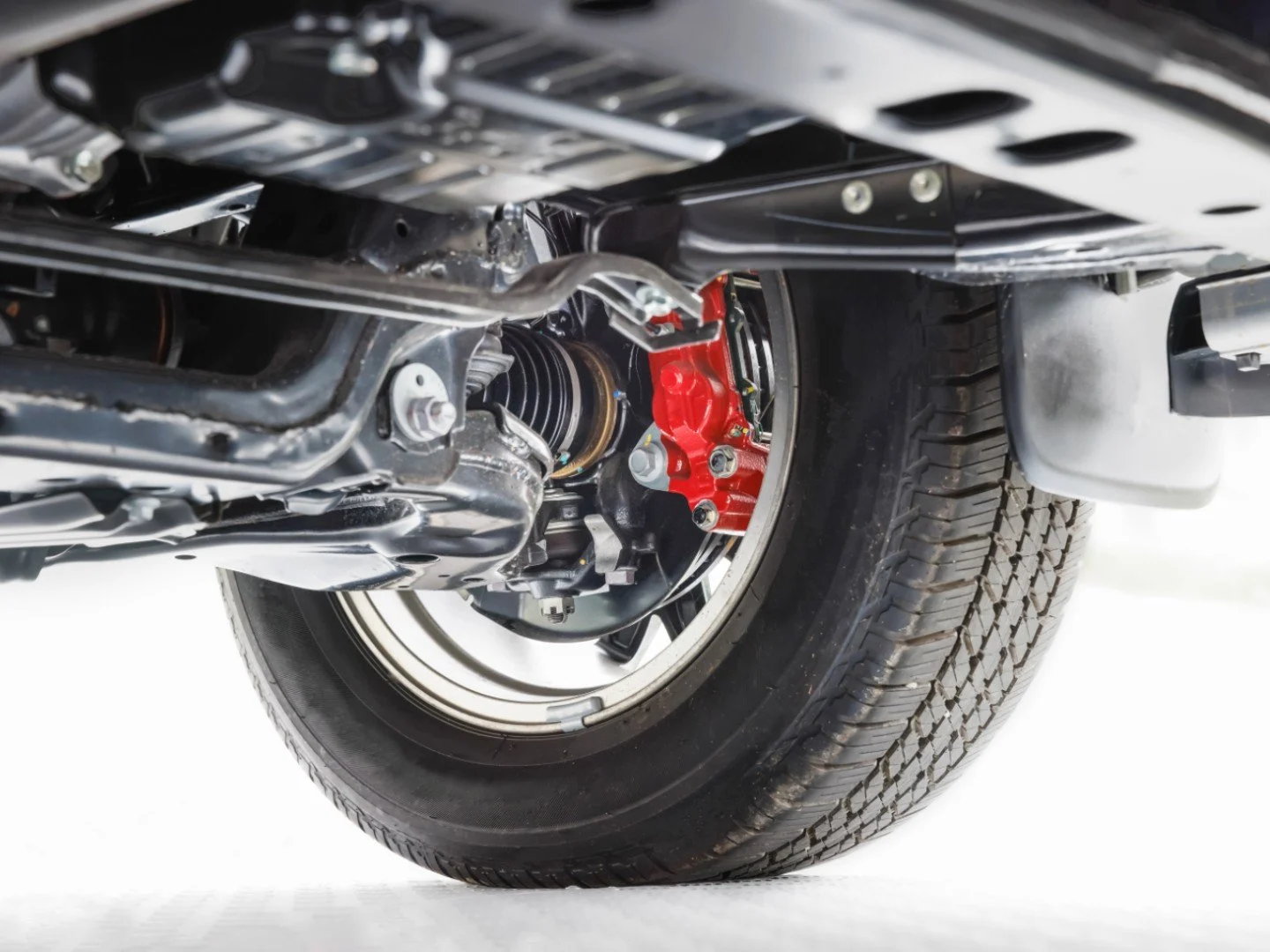
Image 5: Typical brakes in a car
Well, are both Southern Living and the Toyota dealer wrong? Not necessarily. Excessive engine warmup can put more pollutants in the air than necessary. Going back to excessive engine wear, applying the throttle when the car’s warming up can put extra stress on the parts, which can decrease your vehicle’s lifespan. Also, warming up your car longer than needed can waste gas, which you’ll feel at the gas pump.
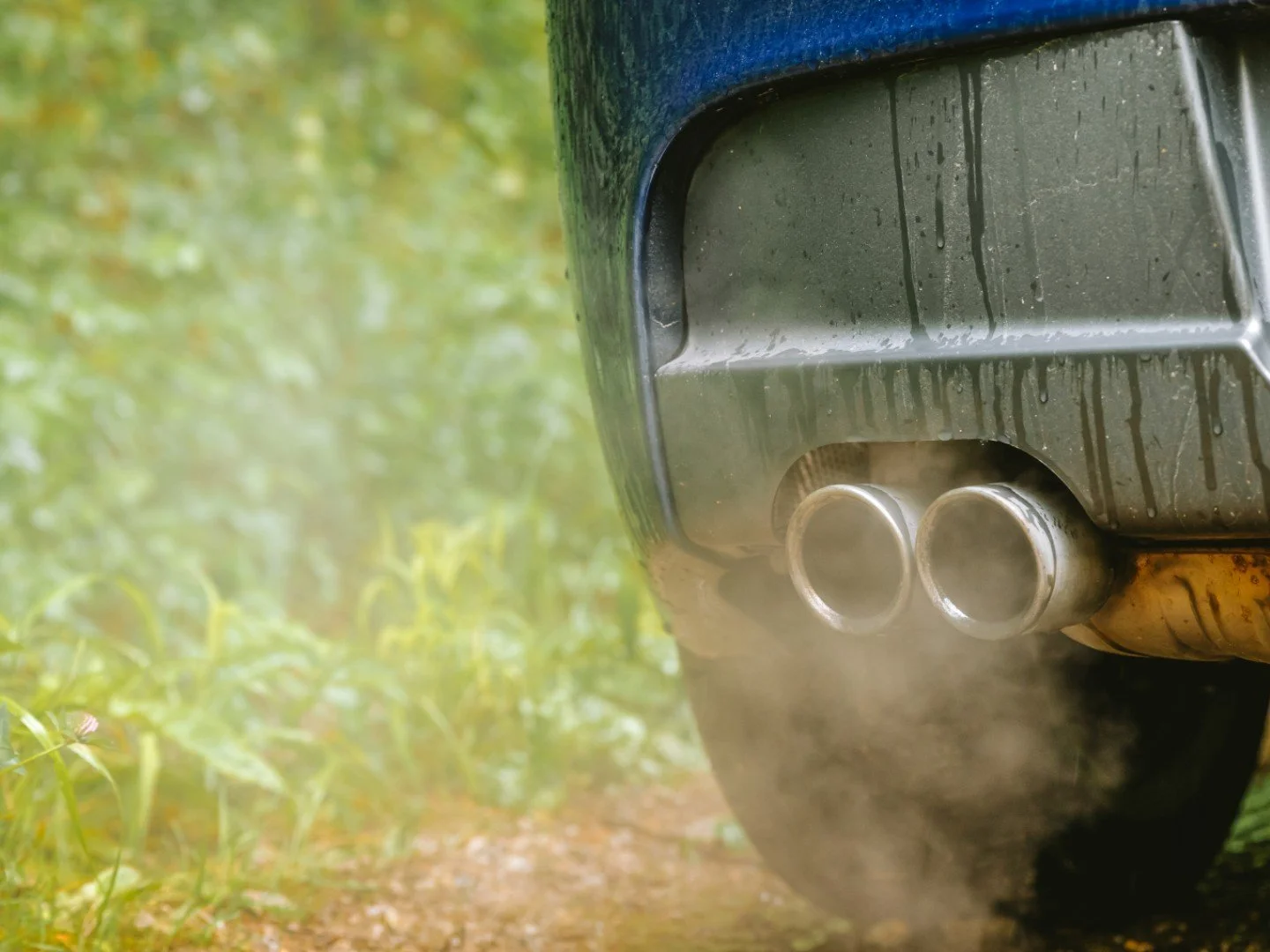
Image 6: Car exhaust releasing exhaust fumes
Bottom line: it seems like it’s a good idea to warm up your car in the winter, but only for as long as you need to. When the oil temperature on your dash says it’s within range, that’s usually good enough to start driving.
Let us know what topics you’d like us to tackle next in the comments below!
See more small doses of inspiration from Unifunful Today here
See our thought-provoking articles from Everyday Engineering here and investigate the engineering behind everyday items and places
See our articles from Engineering in Motion here to see how engineering moves us around the world
Missed last week? No worries, we got you! See what we covered last week and more in our weekly status reports here
Discover the vision and values guiding the Unifunful mission here
First time visiting Unifunful? Become familiar with the history and foundation Unifunful was built on here
Meet the contributors who make Unifunful possible here