

Can Winter Zap Your EV’s Energy?
Short Answer: Using the heater in your EV may impact how much energy your electric vehicle (EV) will use from its battery, causing your driving range to decrease.
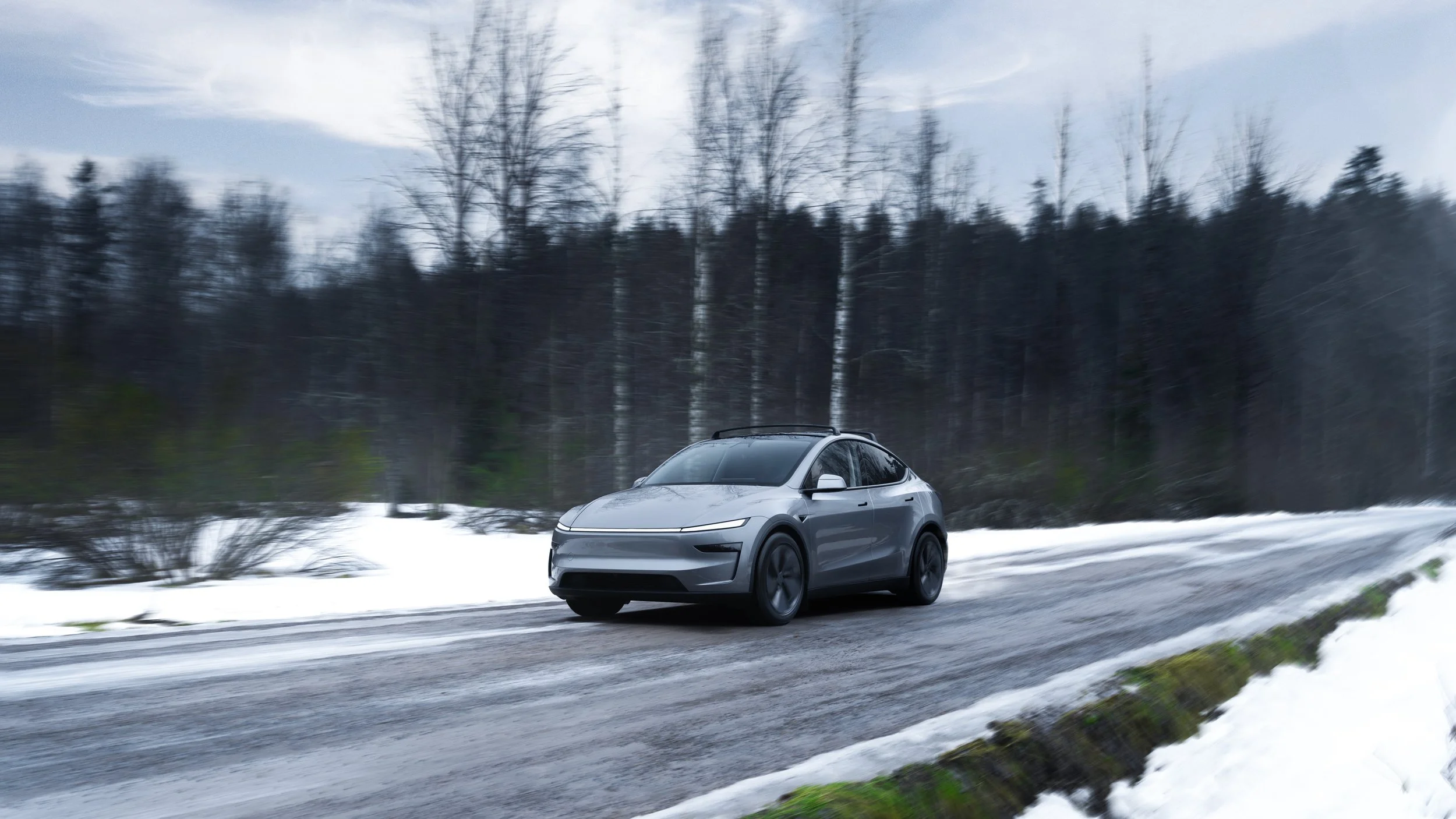
Image 1: EVs like the popular Tesla Model Y use electric batteries to power everything in the car—including the electric motors, the electronics, and the cabin heaters (Image Courtesy of Tesla Motors, Inc.)
Most people hate the freezing winter air touching their skin. This makes it only natural for someone to get in their car and start warming everything up. It doesn’t matter if your car has an internal combustion engine (ICE) or is an electric vehicle (EV) through and through. Both kinds of cars have heating and cooling systems in their cabins that are meant to be used, right?
They are, but the way you use your EV’s heater might actually impact your driving range. Since heaters use energy to generate and disperse heat internally by using the heat transfer components of radiation, conduction and convection inside your car—see the “Keeping Out the Wrong Kind of Energy” section in How Homes Help Us Beat the Heat to read more on these heat transfer concepts—they need an energy supply. This is because, according to thermodynamics, heat moving to an area of greater heat instead of less heat will need energy.
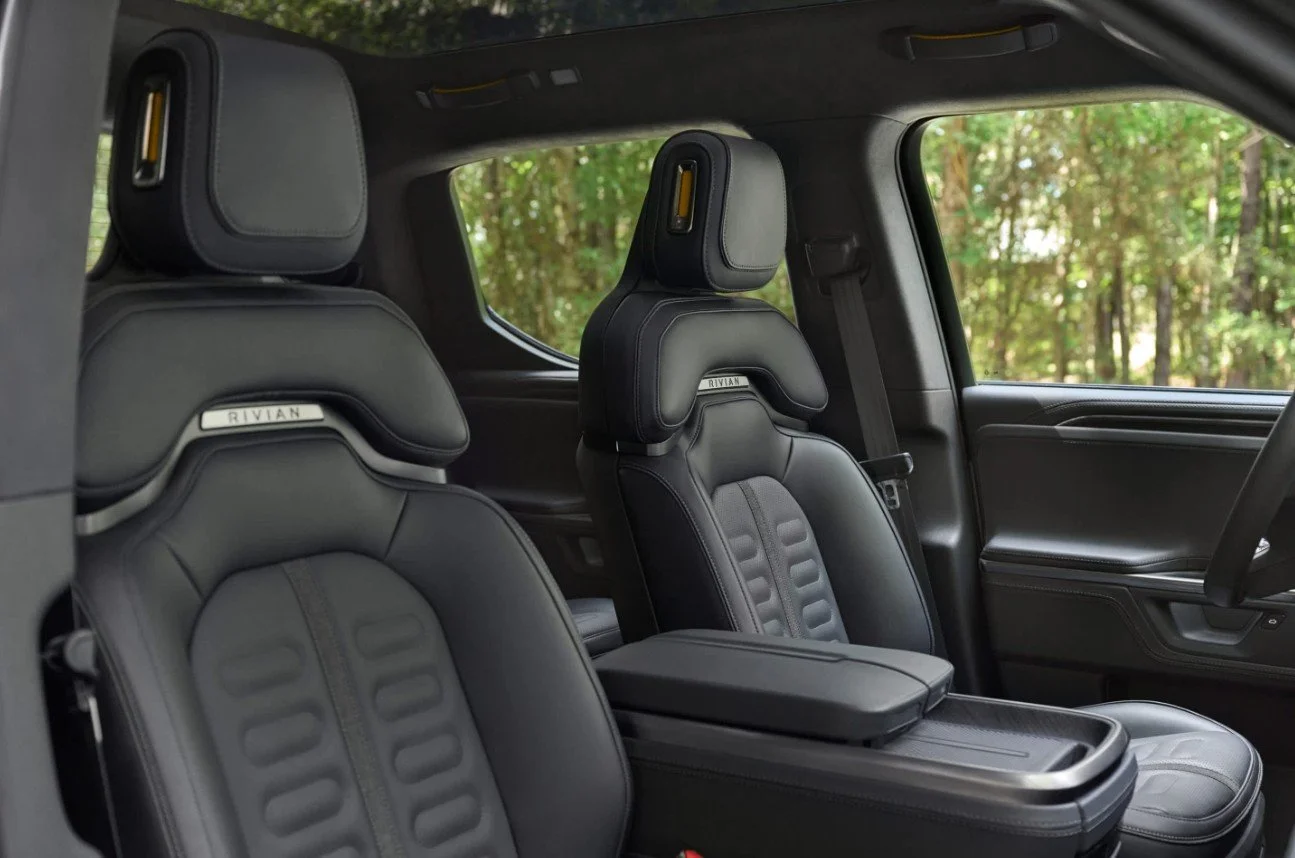
Image 2: EVs like the 2026 Rivian R1S all use energy from the electric batteries to operate many interior features like their heaters during the winter (Image Courtesy of Rivian, LLC)
Cars with ICE powerplants overcome this by using a heater core located in their engine bays. This component directs some of the heat produced by the ICE powerplant to heat the cabin, thus reducing strain on the car’s energy reserve—either gasoline or diesel. EVs, unfortunately, need electricity to power their heaters and their other electrical components, causing the energy in their batteries to decline and reduce driving range.

Figure 1: The cooling system of an ICE powerplant in a car illustrating how the heater core uses the engine’s heat.
The best way to preserve your energy in an EV during the winter is by storing the car in a garage or shelter of some kind so that it’s not so cold and doesn’t demand as much from the heater. If that’s not an option, a car cover blocking much of the cold air may help maintain a warmer cabin when it’s not on.
Bottom Line: Storing your EV in a garage or putting a car cover over it when it’s not running appear to be the best ways to help your EV save energy during the winter
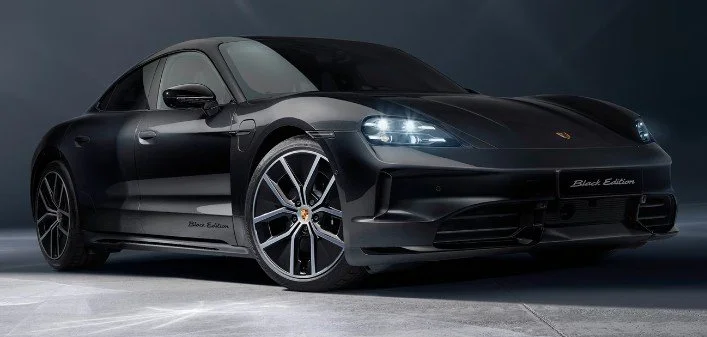
Image 3: Modern EVs like the Porsche Taycan use advanced technology to maximize energy efficiency and range (Image Courtesy of Dr. Ing. h.c. F. Porsche AG)
Let us know what topics you’d like us to tackle next in the comments below!
Revisions:
January 23, 2026 11:46 A.M. CST: included reference from Consumer Reports discussing EV range fluctuations in the winter
See more small doses of inspiration from Unifunful Today here
See our thought-provoking articles from Everyday Engineering here and investigate the engineering behind everyday items and places
See our articles from Engineering in Motion here to see how engineering moves us around the world
Missed last week? No worries, we got you! See what we covered last week and more in our weekly status reports here
Discover the vision and values guiding the Unifunful mission here
First time visiting Unifunful? Become familiar with the history and foundation Unifunful was built on here
Meet the contributors who make Unifunful possible here